
Intech Blog
Should You Get a Standby Generator Before Fall Storms Hit Twin Cities?
A standby or portable generator keeps your lights, fridge, sump pump, and furnace blower running when the grid goes down, but it only does that safely if it's connected through a properly installed transfer switch. Plug a generator into your panel or run it without that switch and you risk backfeeding power into the lines outside your house, which can electrocute a lineworker trying to restore power and can fry your own appliances in the process. If you're thinking about backup power before the next round of Minnesota storms rolls through, the generator itself is honestly the easy part. Getting the switchgear right is where it actually matters.
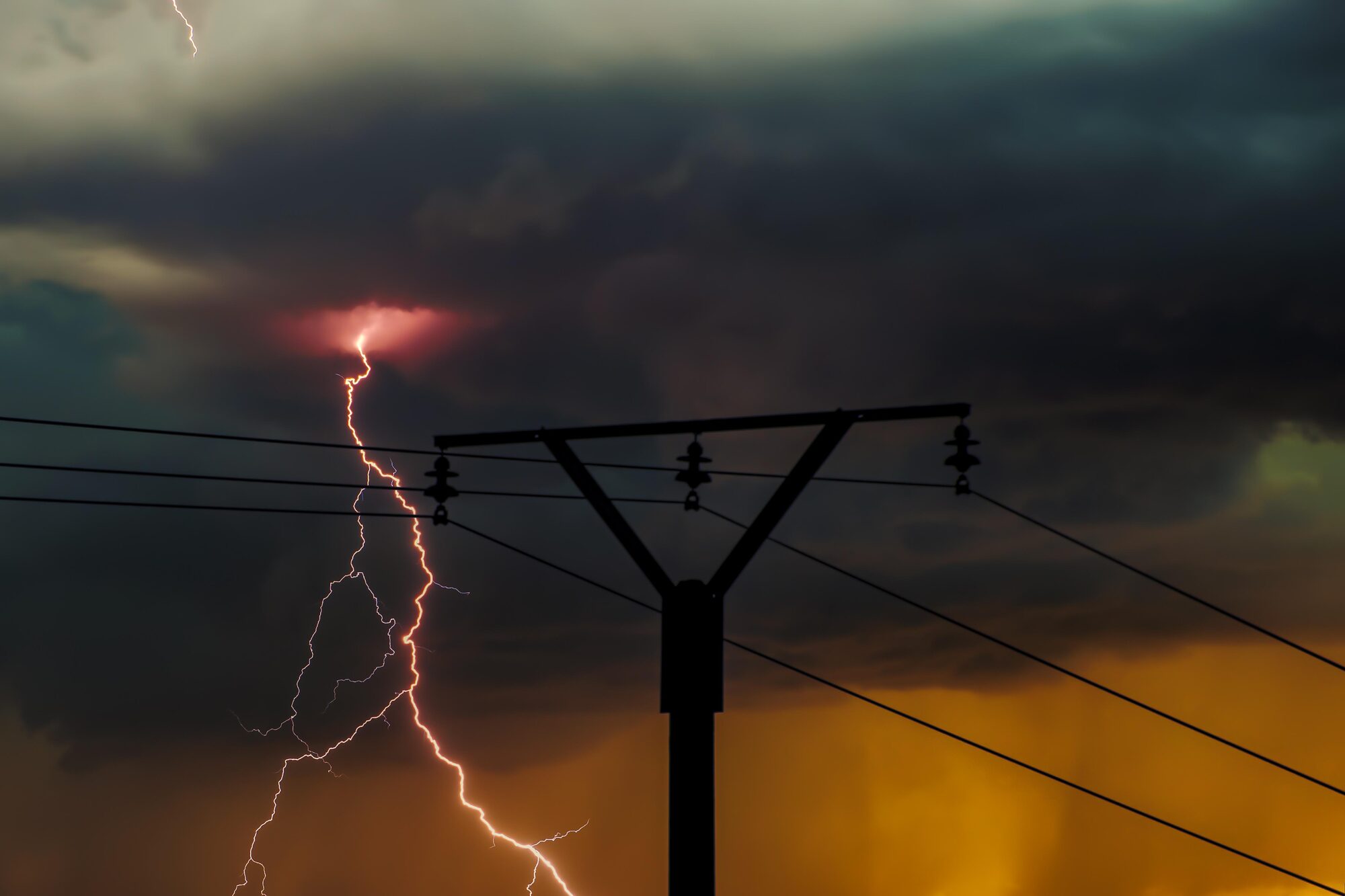
This has been a rough stretch for the grid around here. Straight-line winds and severe storms have knocked out power to tens of thousands of Xcel Energy customers across the Twin Cities metro more than once this year, and a tornado outbreak in mid-August left a trail of damage stretching from Illinois into Minnesota and beyond. None of that is unusual for a Minnesota summer sliding into fall, but it's a good reminder that outages here aren't a once-a-decade problem. They're a few-times-a-summer problem, and they tend to hit hardest right when you need power the most, whether that's a sump pump running non-stop during a downpour or a furnace kicking on during that first cold snap in October.
We've written before about surge protection for storm season and about why the power keeps dropping during heat waves. A generator is a different piece of the puzzle. Surge protection guards your electronics from spikes when power comes back on; a generator keeps things running while it's off. If you've been debating one, late summer into early fall is actually a smart window to get it installed, before the electricians in this business get slammed with emergency calls once the first real ice storm hits.
Portable vs. standby: what's actually different
A portable generator sits outside, runs on gasoline, and gets wheeled out when you need it. It's cheaper up front, but you have to manually start it, fuel it, and connect it every time, and it typically only carries enough capacity for a handful of circuits, think refrigerator, some lights, maybe the sump pump.
A standby generator is permanently installed outside your home, usually runs on natural gas or propane so you're not stuck hunting for gasoline during a storm, and starts itself within seconds of a utility outage through an automatic transfer switch. It costs more to install, but for a lot of homeowners the trade-off is worth it: no manual setup at 2 a.m. in a thunderstorm, and enough capacity to run the whole house or close to it, depending on how it's sized.
The transfer switch isn't optional, and it isn't a DIY project
This is the part where I'll be direct with you: connecting a generator to your home's wiring without a listed transfer switch is genuinely dangerous, and it's not legal to skip it. The National Electrical Code requires listed transfer equipment for any generator that connects to a home's wiring, specifically to prevent what's called backfeeding, where generator power flows backward through your meter and out onto the utility lines. Line crews work on those lines assuming they're dead during an outage. Backfeed can energize them at line voltage, which is a fatal hazard for the people out there trying to restore your power.
A transfer switch (or, for portable generators, an interlock kit installed by a licensed electrician) physically prevents your generator and the utility from ever being connected to the panel at the same time. That's the whole point of it. It's also why most jurisdictions require a permit and inspection for this work, and why most municipalities won't sign off on a homeowner-installed transfer switch. If you're looking at a generator project, plan on hiring it out from day one rather than treating the switch as an afterthought.
Sizing it right (and what your panel can actually handle)
Bigger isn't always better and it definitely isn't cheaper. Sizing a standby generator comes down to adding up the circuits you actually want to keep alive during an outage, furnace blower, sump pump, refrigerator, some lighting, maybe a well pump if you're outside the metro, then building in some headroom for whatever starts up with a surge, like an AC compressor or a well pump motor.
This is also a good moment to check whether your existing panel has room to work with. A lot of older Twin Cities homes are already tight on capacity once you add EV chargers, heat pumps, or a generator interlock into the mix, and that's a conversation worth having before the generator shows up. If you're not sure where you stand, we can take a look at whether your panel has room for a generator connection alongside other upgrades you might be planning.
Don't forget the boring maintenance stuff
- Standby generators typically run a short self-test weekly; make sure it's actually completing that cycle, not just attempting it.
- Battery keeps the automatic transfer switch and starter working; a dead battery is one of the most common reasons a standby generator fails to start when it's actually needed.
- Fuel supply matters, propane tanks run low without you noticing, natural gas lines need to be sized correctly for the generator's demand.
- Portable generators should never run in a garage, breezeway, or near windows and doors; carbon monoxide from a generator can build up fast in an enclosed or semi-enclosed space.
When to call an electrician instead of figuring it out yourself
Sizing, permitting, transfer switch installation, and tying a generator into your electrical panel are all things that need to go through a licensed electrician and a local inspection. That's not us being cautious for no reason, it's how backfeed accidents and insurance disputes get avoided. If you're dealing with a generator that's already installed and it's not starting, not transferring load, or tripping breakers, that's also a job for a professional rather than trial and error on a live panel.
Frequently asked questions
Can I just plug a portable generator into an outlet to power my house?
No. Backfeeding a generator through a wall outlet or dryer plug is illegal, unsafe, and can kill a utility worker trying to restore power on what they think is a dead line. Portable generators need to connect through a listed interlock kit or transfer switch installed by a licensed electrician.
How much does a standby generator installation cost?
It varies a lot based on generator size, fuel type, panel condition, and whether a gas line upgrade is needed, so it's worth getting a site-specific quote rather than relying on a generic number.
Do I need a permit to install a standby generator in Minnesota?
Most jurisdictions require an electrical permit and inspection for generator installations because the work involves modifying your home's electrical system and tying in transfer equipment. Your electrician should be pulling that permit as part of the job.
What size generator do I need for my house?
It depends on which circuits you want to keep running during an outage. A whole-house unit needs to cover your full electrical load, while a smaller unit sized for critical circuits like the furnace, sump pump, and refrigerator costs less and installs faster.
Is a natural gas or propane generator better than a gasoline one for backup power?
For a permanently installed standby unit, natural gas or propane is usually preferred because you're not dependent on finding gasoline during a widespread outage, and the generator can start automatically without anyone fueling it first.
Ready for Reliable Backup Power This Storm Season?
Intech Corporation installs standby and portable generator systems with properly sized, code-compliant transfer switches across the Twin Cities.
Request a Quote →