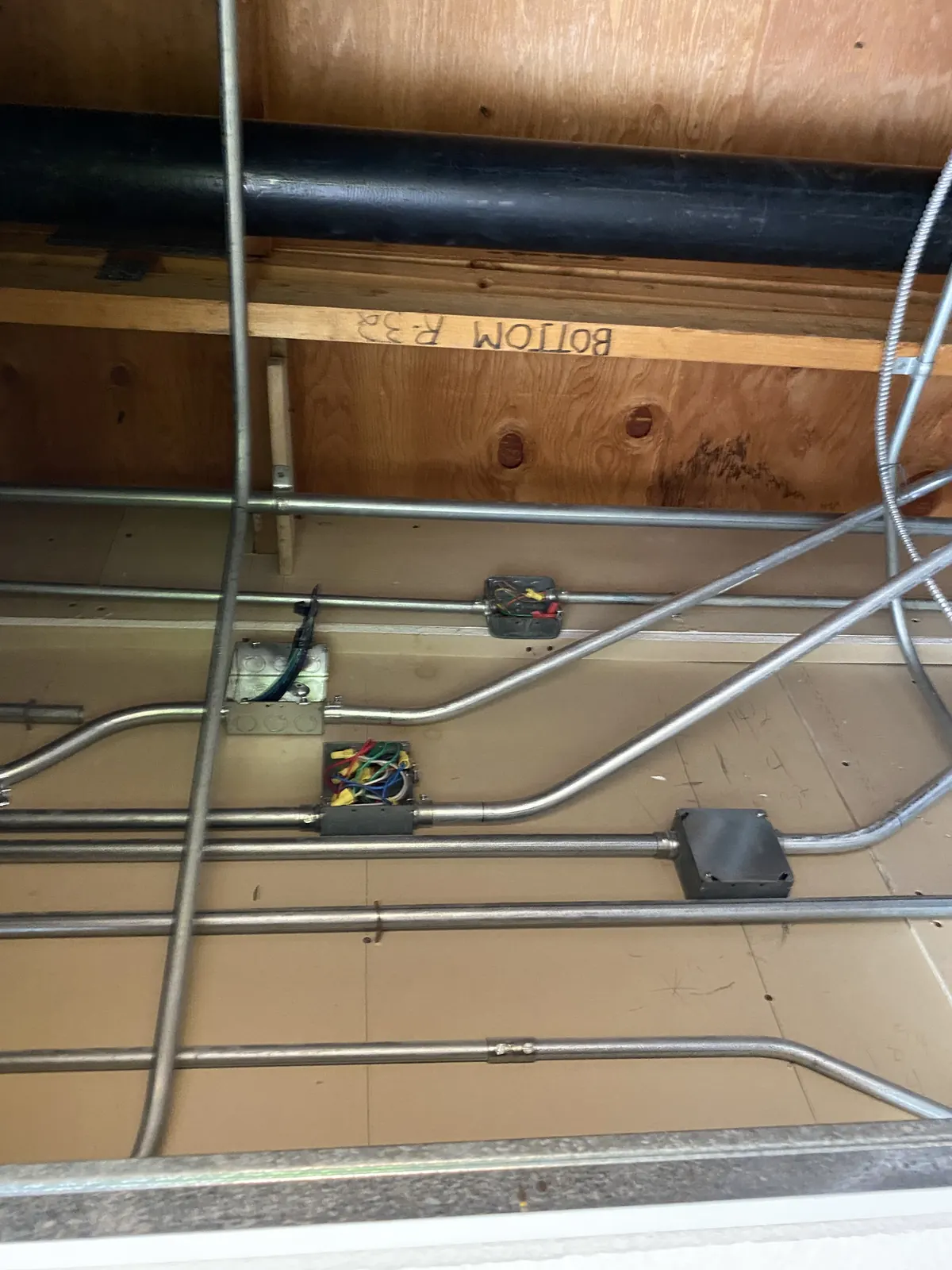
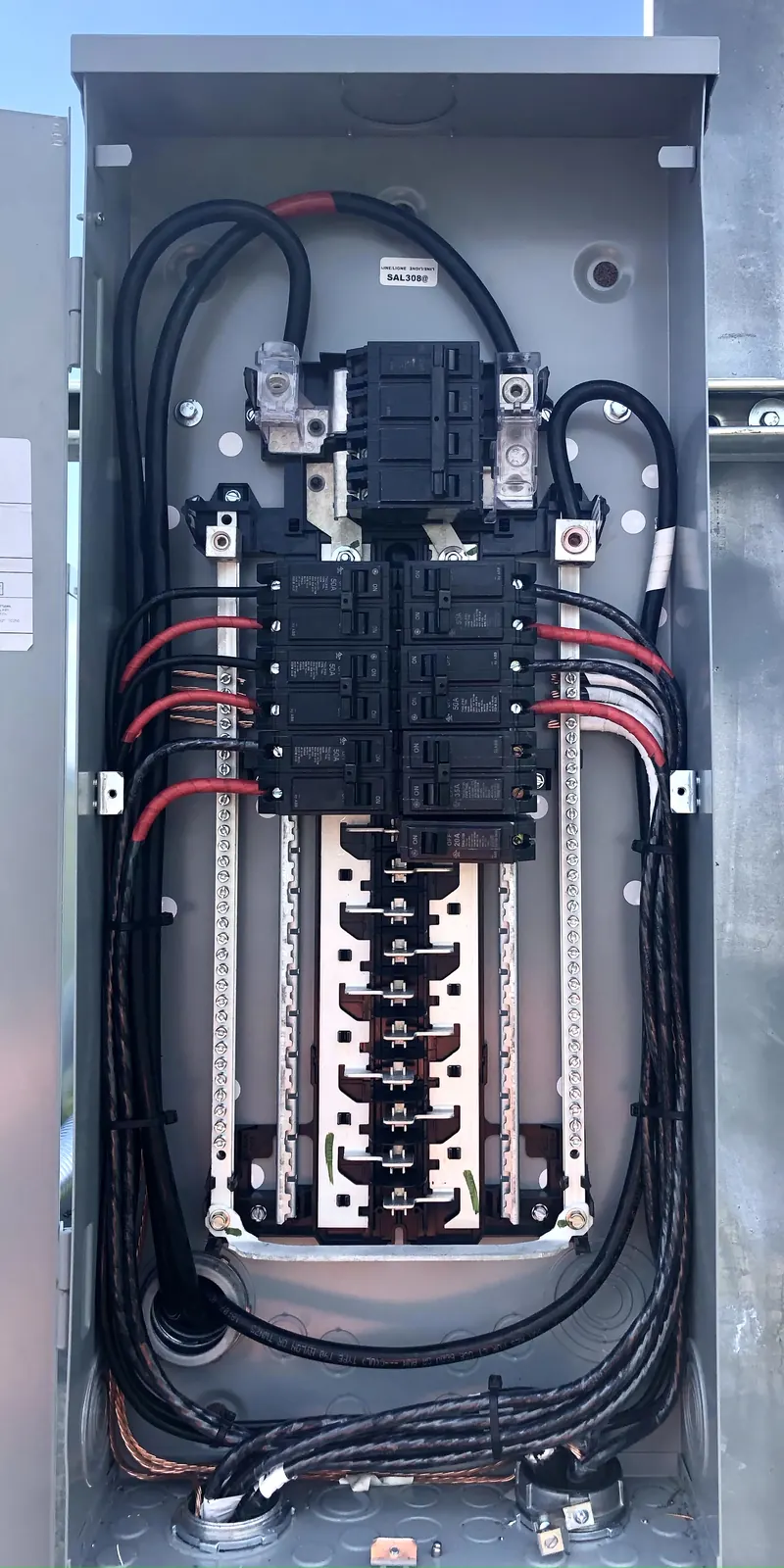
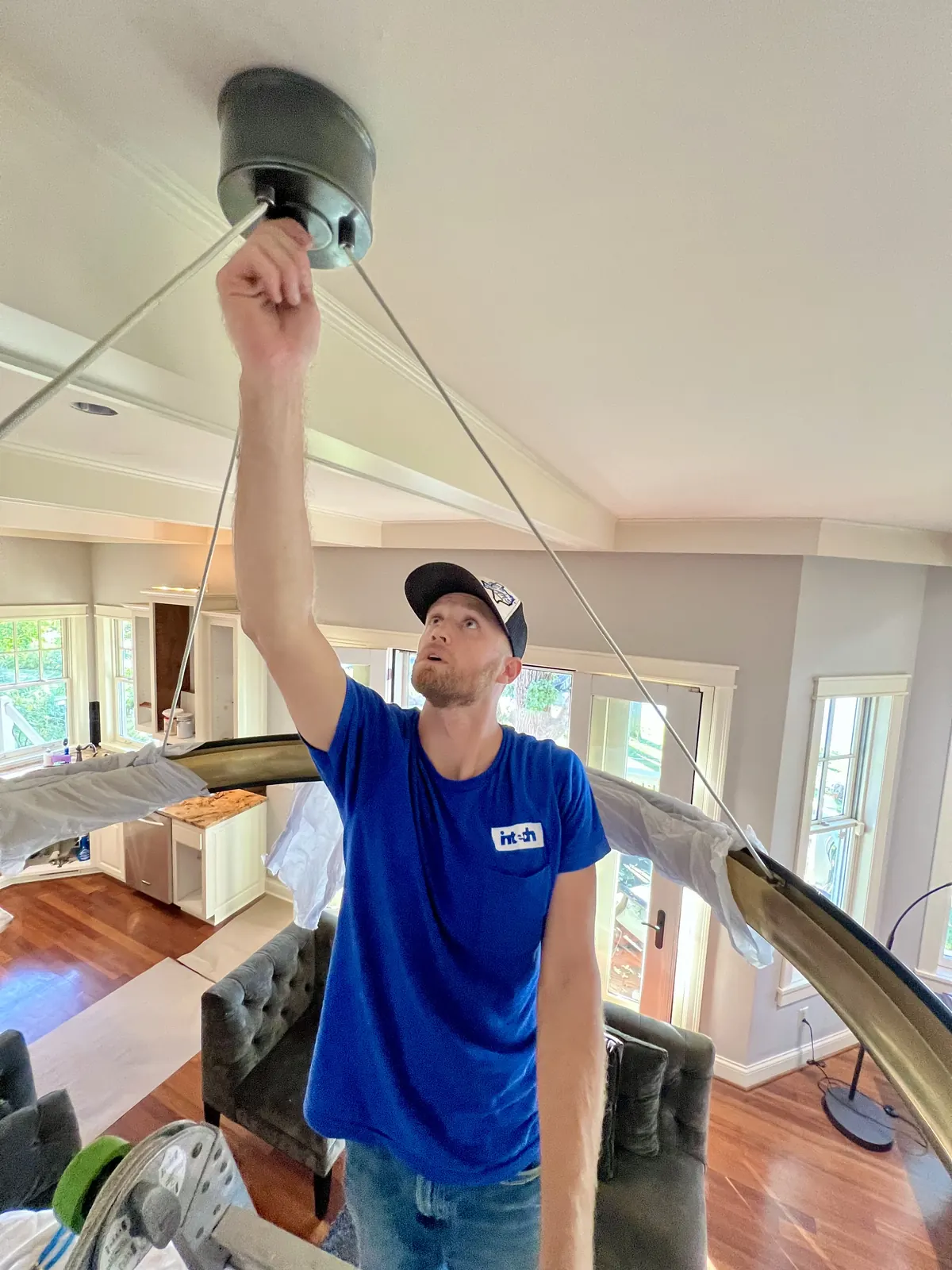
Knob-and-tube replacement
Removing outdated knob-and-tube wiring and replacing it with modern, code-compliant circuits — often a requirement for insurance and home sales.

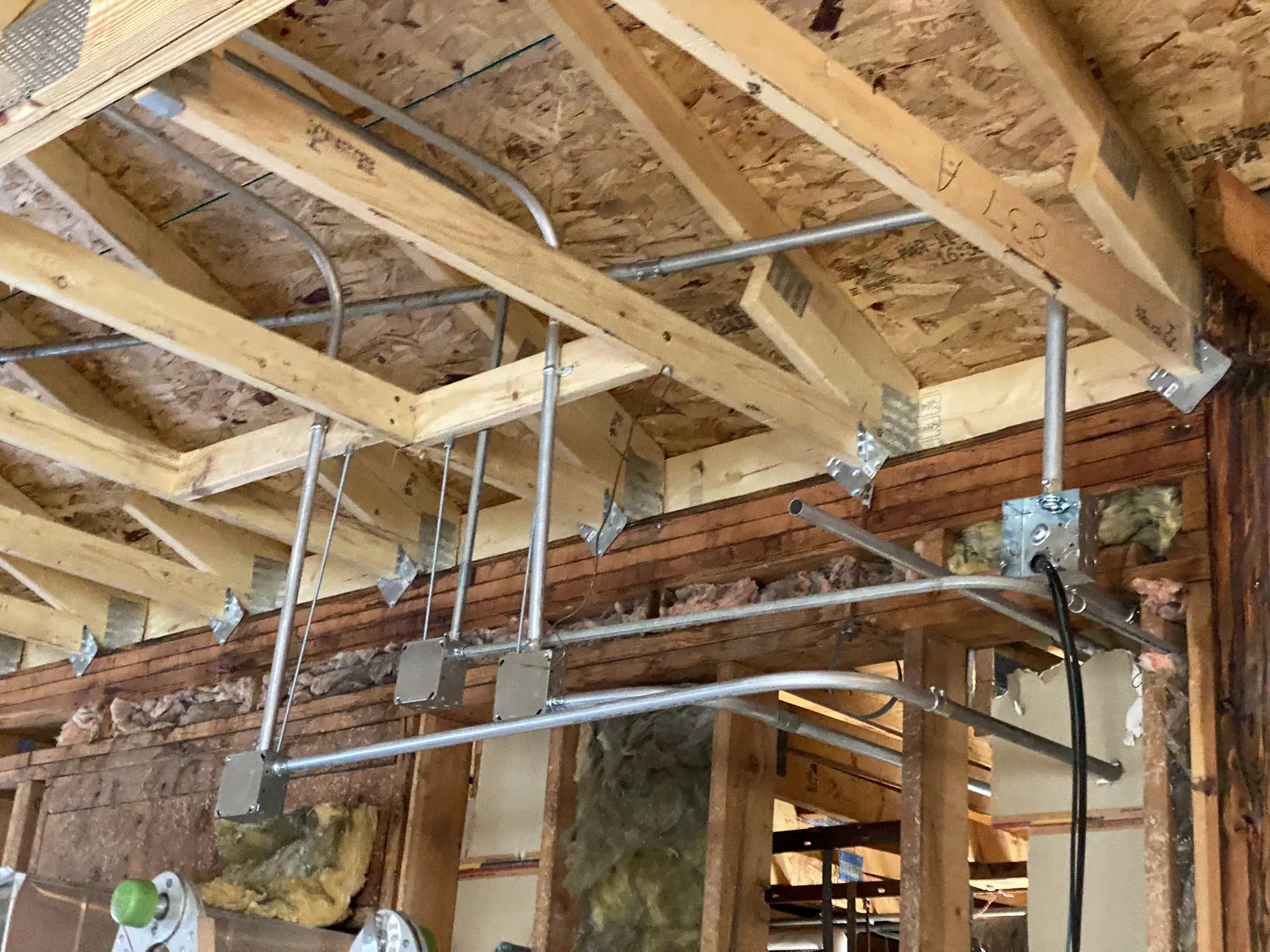
Whole-Home Rewiring
Full or partial house rewires for homes with outdated or unsafe wiring — including knob-and-tube and aluminum wiring replacement — done room by room or as a complete project, with minimal disruption to how you live in the house.
Start a Conversation →Removing outdated knob-and-tube wiring and replacing it with modern, code-compliant circuits — often a requirement for insurance and home sales.
Correcting aluminum branch-circuit wiring, a known fire-risk factor in homes built in the 1960s–70s, with copper conductors or approved connectors.
Complete rewiring for homes undergoing major renovation or with wiring that's no longer safe or sufficient for modern electrical loads.
Phased rewiring projects scoped and scheduled around your budget and how much disruption you can tolerate at once.
Rewiring completed to satisfy home-sale inspections or insurance underwriting requirements on older housing stock.
Electrical work generally has to be done by a licensed electrician, with limited exceptions for homeowners doing certain work on their own primary residence in some jurisdictions. Rules and permitting vary by city, so confirm with your local building department before doing any wiring yourself — anything beyond a simple repair is safer left to a licensed electrician regardless.
If a home still has knob-and-tube or aluminum wiring, has frequent breaker trips, or is already being renovated, rewiring is usually worth it for safety and often for insurance and resale reasons. A licensed electrician can assess your specific wiring and tell you what actually needs replacing versus what's still safe to leave.
Timeline depends on the size of the home and how much access is available behind walls and ceilings. A phased, room-by-room rewire spreads the work out but is less disruptive day-to-day, while a full rewire during a renovation is typically faster since walls are already open.
Some wall and ceiling access is usually required, though experienced electricians minimize drywall work by fishing wire through existing cavities where possible. The exact amount of opening depends on your home's construction and existing wiring paths.
From the Field