
Intech Blog
Why Does My Power Keep Going Out in a Heat Wave?
Short answer: most heat-wave power blips are the utility grid straining under heavy air conditioning demand, not a problem inside your house. But repeated outages, a breaker that won't reset, warm outlets, or a burning smell mean the problem is on your side of the meter — and that's when you should call an electrician, not the utility.
Minnesota has seen back-to-back heat waves this summer, with Xcel Energy staging crews across the Twin Cities and the U.S. Department of Energy issuing grid emergency alerts as tens of millions of people ran air conditioning at once. When demand spikes like that, outages get more common — but not every outage has the same cause, and knowing the difference can save you a wasted service call or, worse, a missed warning sign.
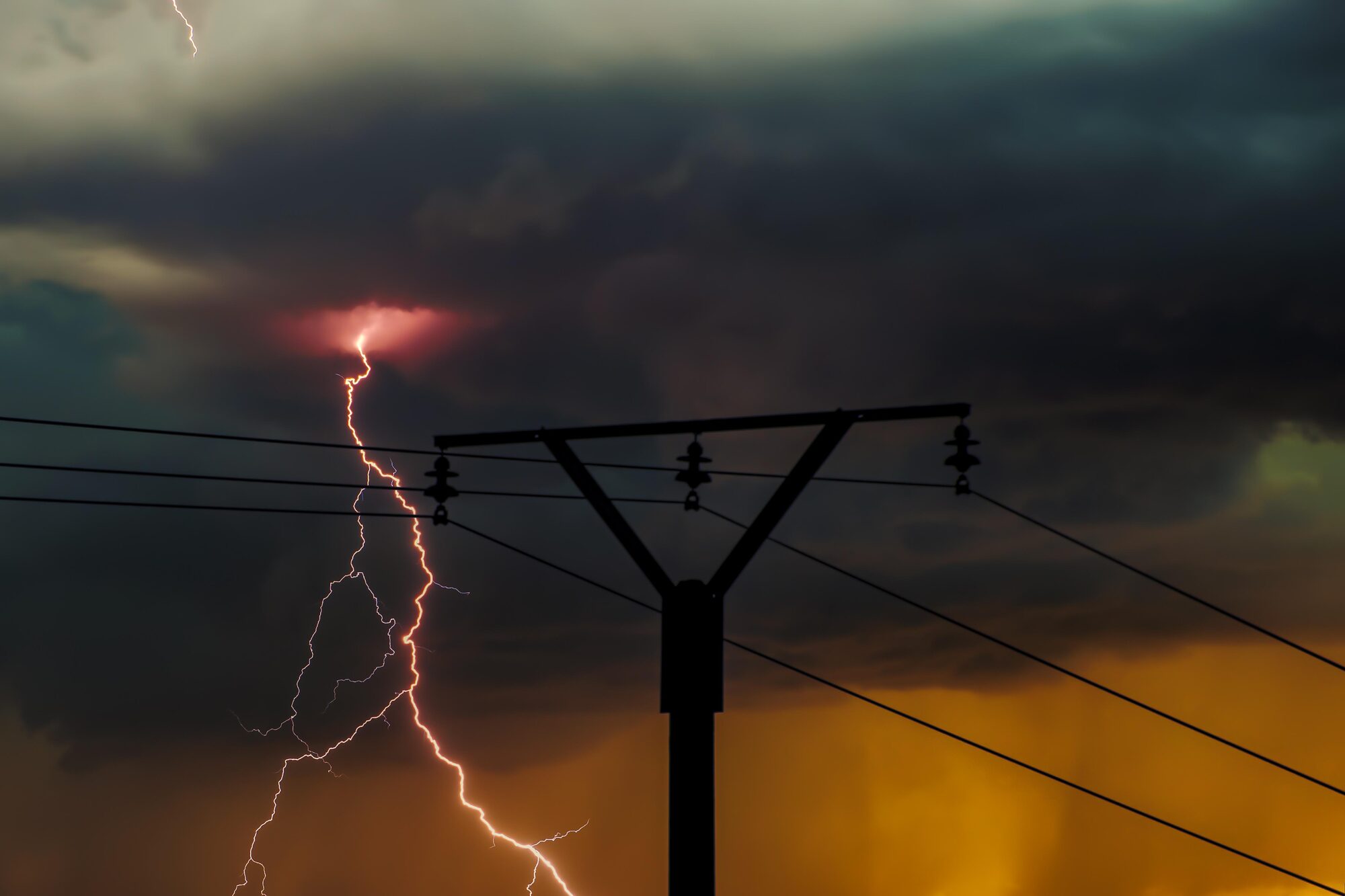
Why heat waves cause more outages
Air conditioners are the single biggest driver of summer electric demand. When a heat wave pushes thousands of homes to run AC at full tilt simultaneously, it strains everything downstream: generating plants, substations, transformers, and the wires feeding your neighborhood. Utilities sometimes respond with planned rolling outages to protect the grid; other times, equipment simply overheats and fails under the load.
Heat adds a second layer of stress closer to home. Electrical panels and breakers are rated to operate within a temperature range, and high ambient heat combined with heavy AC draw raises the temperature at every connection point in your system. A panel that's been fine for years can start tripping or acting up specifically during a heat wave because it's now running hotter than it ever has.
Utility outage or your electrical system?
A few quick checks can tell you which side of the meter the problem is on:
- Check with neighbors or the outage map. If the whole block is dark, it's a utility outage — check Xcel Energy's outage map or call their outage line rather than an electrician.
- If your neighbors have power and you don't, the issue is inside your home: a tripped main breaker, a failed connection at the meter, or a problem specific to your panel.
- If only part of your house loses power — say, the AC and kitchen but not the lights — that points to a single tripped breaker or circuit, not a whole-house or utility issue.
- Flickering that happens only when the AC compressor kicks on is often a sign of a loose connection or an undersized circuit struggling with the startup surge.
What you can safely check first
Before calling anyone, it's reasonable to:
- Check your main panel for any breaker that has visibly tripped (the switch sits in a middle position rather than fully on) and reset it once.
- Check GFCI outlets in kitchens, bathrooms, and garages — pressing "reset" restores power if one has tripped.
- Confirm the outage isn't utility-wide using your provider's outage map before assuming it's your system.
If a breaker trips again immediately after resetting, stop. That's a sign of a real fault, not a nuisance trip, and repeatedly resetting it can be a fire risk.
When to call an electrician immediately
Some signs mean it's time to stop troubleshooting and call a licensed electrician right away:
- A breaker trips again as soon as you reset it, or won't stay reset at all.
- You smell burning, or notice warm or discolored outlets and switch plates.
- You hear buzzing, crackling, or popping from the panel or an outlet.
- Lights dim or flicker throughout the house, especially when large appliances start.
- Your panel is older (Federal Pacific, Zinsco, or original to a home over 30–40 years old) and struggling to keep up with modern AC and appliance loads.
Any of these during a heat wave is a signal that your system is being pushed past what it can safely handle — worth a same-week inspection even if the power is currently on.
Protecting your home during grid strain
A few upgrades reduce both the odds of an outage affecting you and the risk of damage when the power comes back:
- Whole-home surge protection at the panel guards your appliances and electronics against the voltage spikes that can happen when utility power is restored after an outage.
- Panel upgrades for older or undersized panels give more headroom for AC, EV chargers, and other modern loads that older systems weren't designed for.
- Generators or battery backup with an automatic transfer switch are worth considering for homes with frequent outages, sump pumps, home offices, or medical equipment that can't be without power.
Frequently asked questions
Is it normal for the power to flicker during a heat wave?
Brief, occasional flickering during extreme heat is usually normal — it often means the grid or your air conditioner's compressor is cycling under heavy load. Flickering that is frequent, gets worse, or happens even when the AC isn't running is more likely a loose connection in your home and worth having an electrician check.
How do I know if an outage is affecting my whole neighborhood or just my house?
Check your utility's outage map (Xcel Energy's outage map for most of the Twin Cities) or call their outage line. If neighbors also have no power, it's a utility-side outage. If your neighbors have power and you don't, the problem is on your side of the meter and you should call an electrician.
Can extreme heat damage my electrical panel?
Yes. High ambient heat combined with heavy air conditioning load raises the temperature inside panels and at breaker connections. Panels that are already older, overloaded, or have loose connections are more likely to trip, overheat, or fail during sustained heat waves.
Should I unplug electronics during a heat-wave outage?
It's a good habit, especially for sensitive electronics. Grid strain during heat waves can sometimes cause voltage sags or surges as power is restored. Unplugging sensitive equipment, or protecting it with a good surge protector, reduces the risk of damage when the power comes back on.
Is a whole-home generator or battery backup worth it in Minnesota?
For homes with frequent summer outages, medical equipment needs, sump pumps, or home offices, a properly installed generator or battery backup with an automatic transfer switch is a reasonable investment. An electrician can evaluate your home's outage history and load needs to size the right system.
Panel acting up in the heat?
If your breakers are tripping repeatedly or something feels off at your panel, don't wait for it to get worse. Intech can inspect your system and tell you exactly what's going on.
Schedule an Inspection →