
Intech Blog
EV Charger Tax Credit Expired: What MN Owners Can Still Get
If you were counting on a federal tax credit to help pay for a home EV charger, that credit is gone. The IRS is blunt about it: you can't claim the Alternative Fuel Vehicle Refueling Property Credit, known as Section 30C, for any charging equipment placed in service after June 30, 2026. The good news is that Minnesota's utility rebates never depended on that federal credit, and most of them are still running. If you're weighing a charger install now, the math just shifted from tax-time to your utility bill.
Section 30C wasn't supposed to end this soon. When it got extended under the Inflation Reduction Act, it was written to run through 2032. The One Big Beautiful Bill Act, signed in July 2025, moved that termination date up by six years, cutting it off at June 30,instead. That change applied to both the residential version of the credit (30 percent of equipment and qualifying installation cost, capped at $1,000 per charging port) and the business version (which could run as high as $100,000 per port for commercial and fleet charging). Both are done now for anything installed after that Junecutoff.
That's a real loss for anyone who was banking on it, but it's worth separating federal policy from what your actual utility offers. Those are two completely different programs run by two completely different entities, and only one of them just disappeared.
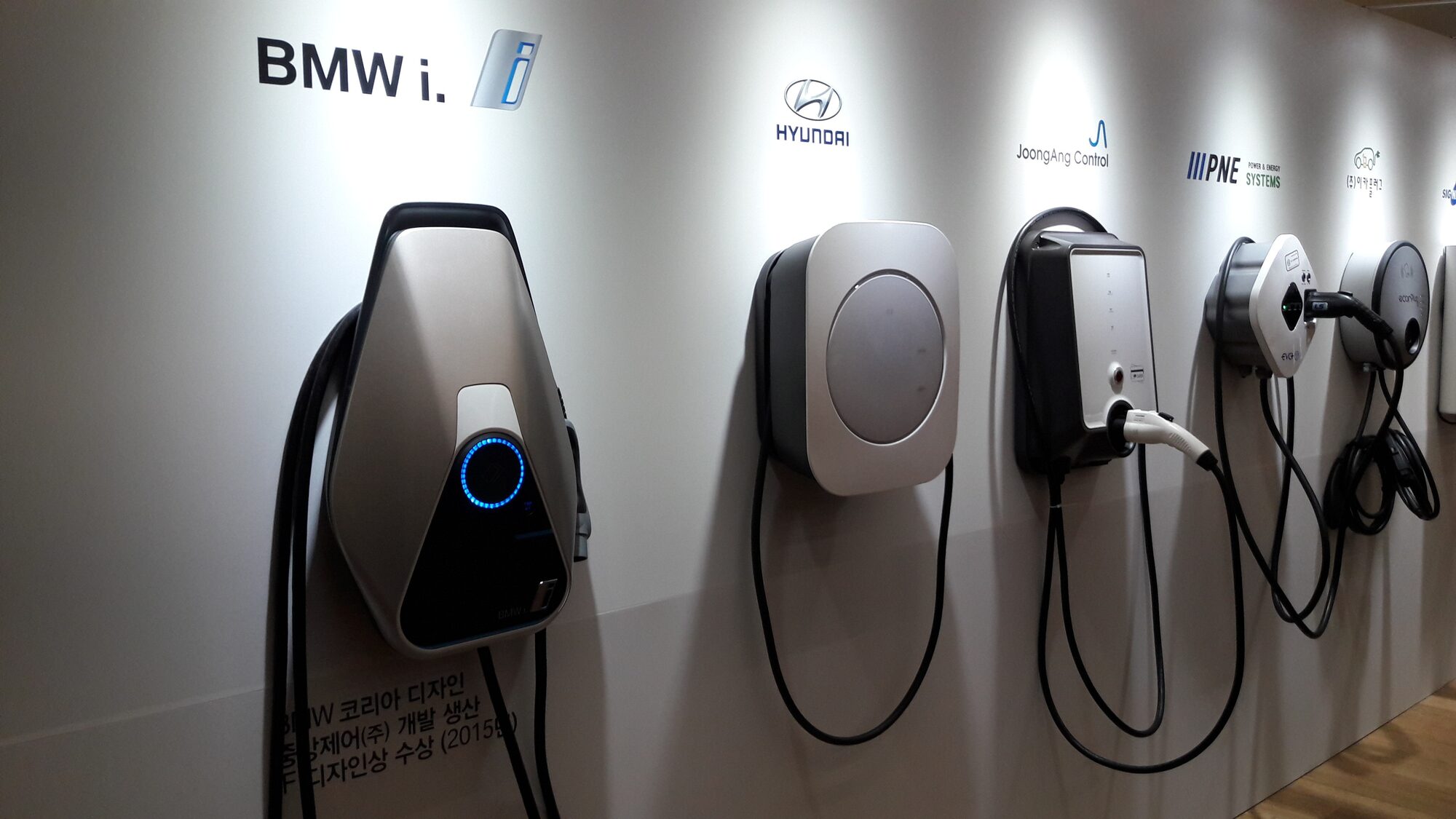
What the Federal Credit Actually Covered
While it was active, Section 30C paid backpercent of the cost of a home charging port, plus certain directly related equipment like a wall mount or the wiring run specifically to feed the charger, up to $1,000 total. It only applied to homes in certain eligible census tracts, and businesses had a separate, much larger cap tied to prevailing wage and apprenticeship requirements. If you already had a charger installed and running before the deadline, you're fine, you can still file Formfor that tax year. It's the installs happening from here forward that no longer qualify.
What's Still Available in Minnesota
This is the part a lot of homeowners miss. Overutilities across Minnesota offer their own LevelEV charger rebates, and the amounts run anywhere from $150 to $800 depending on the provider. Xcel Energy runs a home charging rebate through its Optimize Your Charge program that covers part of the cost of a charger and the 240-volt circuit to feed it, and several electric cooperatives around the state, from rural co-ops to municipal utilities, run parallel programs with their own dollar amounts and enrollment rules.
These programs aren't federal, so they didn't get touched by the tax law change. They do have their own quirks, though. Some require enrollment before you buy equipment, some require a specific make of charger or a WiFi-connected unit tied to an off-peak charging schedule, and a few will actually void the rebate if you install first and apply second. Check your utility's current program page before you order anything.
Businesses Lost the Big One Too
If you manage a commercial property, a fleet yard, or a multi-tenant building and were planning charger installs around that $100,000-per-port commercial credit, that door closed on the same June 30,date as the residential credit. It's not a small loss for a business rolling out charging across a parking structure or distribution lot. Utility-side commercial charging incentives still exist in some territories, and for larger installs the electrical work itself, panel capacity, feeder sizing, and load management, often matters more to the project budget than any single incentive did. If you're scoping equipment power wiring for a fleet or tenant charging setup, that's a conversation worth having with an electrician before you commit to a charger brand or count on any rebate.
Panel Capacity Still Decides Your Real Cost
Here's the thing nobody's tax credit ever changed: whether your electrical panel has room for a 40- or 50-amp circuit dedicated to a charger. A lot of older Twin Cities homes are running panels that were sized decades before anyone thought about charging a car in the garage, and adding a heat pump, a hot tub, or an EV charger on top of an already-tight panel can push you into upgrade territory fast. We wrote about this same load-calculation issue when it comes to adding a heat pump, and the logic carries over directly to EV chargers. A quick load calculation up front tells you whether you're looking at a straightforward charger install or a panel upgrade first.
Getting the Install Done Right
A Levelcharger needs a dedicated circuit sized correctly for the equipment, a breaker that matches, and in most Minnesota jurisdictions, a permit and inspection. This isn't a job for a DIY 240-volt run off an existing circuit, and it isn't a job where guessing on wire gauge is a good idea, undersized wiring on a charger circuit that draws for hours at a time is exactly the kind of thing that causes real heat problems down the road. A licensed electrician handles the load calculation, pulls the permit, and makes sure the install passes inspection the first time, which matters if you're trying to lock in a utility rebate that requires proof of a licensed install.
Timing Your Project Now That the Credit's Gone
Without the federal credit in play, there's less urgency to rush an install before a hard deadline. That's actually a good thing. It means you can take the time to size the panel correctly, compare a couple of charger models, and confirm your utility's rebate terms instead of scrambling to beat a Junecutoff. If electrification is on your radar more broadly, whether that's a charger, a home battery, or just watching where your electric rates are headed, it's worth getting a professional load assessment done once rather than piecemeal.
Frequently asked questions
Is there still a federal tax credit for home EV chargers in 2026?
No. The Section 30C Alternative Fuel Vehicle Refueling Property Credit expired for equipment placed in service after June 30, 2026, per IRS guidance, and it does not return in future years.
What did the federal EV charger credit used to cover?
For homeowners, it covered 30 percent of the cost of eligible charging equipment and directly related installation costs, capped at $1,000 per charging port, and only in certain eligible census tracts.
Are Minnesota utility rebates for EV chargers still available?
Yes. More than 40 Minnesota utilities offer their own Level 2 charger rebates, typically between $150 and $800, and these programs are separate from the expired federal credit.
Do I need a panel upgrade to install an EV charger?
It depends on your existing panel's capacity and what else is already on it; a load calculation from an electrician will tell you whether your panel has room or needs an upgrade first.
Did the commercial EV charging tax credit also expire?
Yes, the business version of Section 30C, which had covered up to $100,000 per charging port, ended on the same June 30, 2026 date as the residential credit.
How long does a home EV charger installation typically take?
A straightforward install on an existing panel with available capacity is often a single day, while a job that also requires a panel upgrade takes longer and needs its own permit and inspection.
Planning an EV Charger Install?
Get a straight answer on your panel capacity, permit needs, and installation cost before you buy anything.
Request a Quote →