
Intech Blog
Whole-House Surge Protection: Worth It for Minnesota Storm Season?
A whole-house surge protective device, mounted right at your electrical panel, catches damaging voltage spikes before they reach your wiring, appliances, and electronics, instead of leaving each outlet to fend for itself with a cheap power strip. It's a one-time install that protects the whole house at once, and sincethe National Electrical Code has actually required one on new residential services and most panel replacements. If you've watched Minnesota's storm season roll through the metro this year, this is one of the cheaper, more overlooked upgrades you can make.
Southeast Minnesota got hit hard by overnight storms in early September, with thousands of customers losing power around Rochester and crews working through the morning to get things back online. Radar was already flagging another round of storms moving through the Upper Midwest this week as a cold front pushes across the region. That's a pretty normal pattern for a Minnesota September: humid, unstable air, fast-moving lines of thunderstorms, and grid equipment getting stressed right as it switches loads to restore service after an outage.
Every one of those events sends transient voltage spikes down the line, sometimes from a direct lightning strike, more often from switching surges as utilities reroute power or reclose breakers on the grid. Your furnace board, your refrigerator's control module, your networking gear, your garage door opener logic board, they're all exposed unless something is standing between the outside world and your panel.
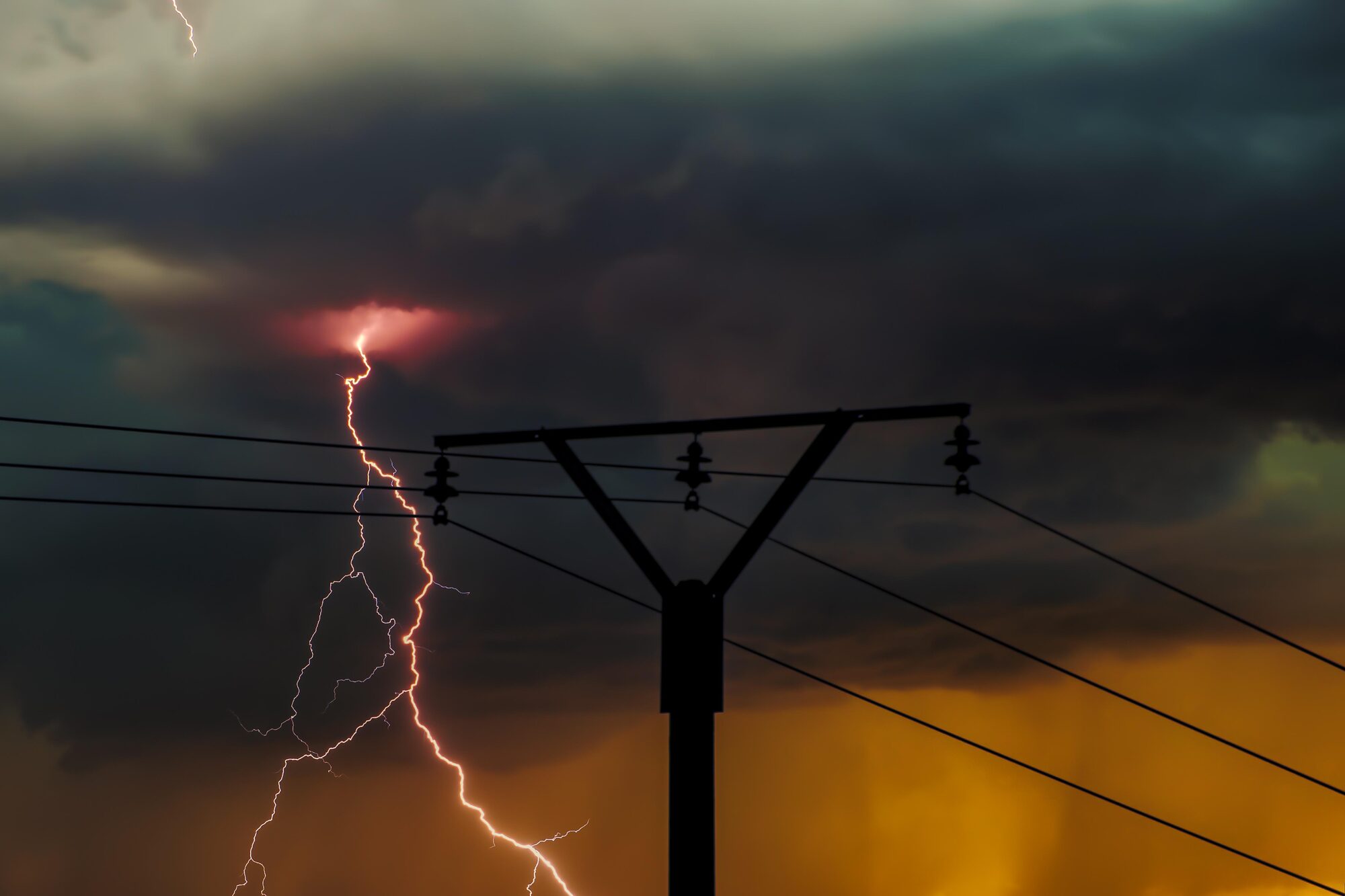
What actually causes a power surge
Lightning gets the headlines, but it's not the most common culprit. A far bigger share of surges come from inside the grid itself: utility equipment switching, a transformer nearby cycling, or the grid reclosing a breaker after a fault, which is exactly what happens after a storm knocks down a line and the utility restores it. On top of that, big loads inside your own home, like a well pump, a central AC compressor, or a furnace blower, kick a small surge into your wiring every time they cycle on and off. None of those individually will fry your TV, but the cumulative wear adds up over years.
What a whole-house SPD does that a power strip can't
A plug-in surge strip only protects whatever's plugged into it, and a cheap one can fail silently after absorbing a single decent hit. A whole-house surge protective device is installed at the main panel or right next to it, and it protects every circuit in the house at once, including hardwired equipment like your furnace, well pump, or heat pump that no power strip could ever reach. The devices themselves are rated Typeor Typedepending on where they sit relative to the service equipment, and a good one is designed to clamp a spike down to a safe level in nanoseconds and then keep doing it, storm after storm, for years.
Is this actually required by code now?
Yes, and it's not brand new, which is worth clearing up. The National Electrical Code added a surge protection requirement for dwelling unit services back in theedition, and it has carried forward largely unchanged through theandcycles. In practical terms, that means new home construction and most full service or panel replacements need a Typeor TypeSPD installed at or immediately next to the panel. We covered the broader rollout of the current code cycle in our post on Minnesota's 2026 electrical code adoption, and this requirement is one piece of it, not a new addition specific to this cycle.
If your panel is older and was never touched during a code cycle that required this, you're not in violation of anything, but you also don't have the protection. That's a conversation worth having any time you're already looking at a panel upgrade for other reasons, like adding a heat pump, EV charger, or generator interlock.
Signs it's worth adding one now
You don't need a specific trigger event to justify this one, but a few situations make it an easy call.
- Your panel is being upgraded or replaced anyway, since the labor to add an SPD at that point is minimal.
- You've had electronics or appliance control boards fail more than once in a few years without an obvious cause.
- You've added a home battery backup or standby generator, both of which benefit from cleaner power on the circuits they feed.
- You work from home with networking gear, a home office setup, or medical equipment that can't tolerate downtime or damage.
What it costs and how it gets installed
A whole-house SPD is one of the more affordable upgrades an electrician can add to your panel, especially compared to something like a full whole-home rewiring project or a service upgrade. It mounts inside or directly adjacent to the panel and ties into a dedicated breaker, so it does require the panel to be de-energized during install, which is not a DIY job. If you're already having other panel work done, it's usually a small add-on to that visit rather than a separate trip.
After a storm, don't just reset and forget it
If you've just come through an outage or a lightning strike near your home, an SPD absorbing a big hit can sacrifice itself to protect everything downstream, and most units have a visual indicator that tells you it's done its job and needs replacing. We put together a full walkthrough of what to check after a storm in our post-storm electrical safety checklist, and it's worth a look before you assume everything's fine just because the lights came back on.
Frequently asked questions
Do I need a whole-house surge protector if I already use power strips?
Power strips only protect what's plugged into them and can fail after a single significant surge, while a whole-house device protects every circuit, including hardwired equipment like your furnace or well pump, so most electricians recommend using both together rather than relying on strips alone.
Will a whole-house SPD stop damage from a direct lightning strike?
A direct strike carries far more energy than any panel-mounted device is designed to absorb, but most surge damage comes from utility switching and nearby strikes, not direct hits, and that's exactly what these devices are built to handle.
How do I know if my surge protector has already been used up?
Most whole-house SPDs have a small indicator light or window that shows green or red depending on whether the internal protection components are still good, and a licensed electrician can check it during a routine panel inspection.
Is surge protection required when I replace my electrical panel in Minnesota?
Under the current National Electrical Code, most panel and service replacements do trigger a requirement for a Type 1 or Type 2 surge protective device, so it's worth asking your electrician to include it in the scope before work starts.
Can I install a whole-house surge protector myself?
No. It ties into your panel and requires the panel to be de-energized and worked on safely, which is not something to attempt without a license, so this is a call-an-electrician job.
Protect Your Whole Panel Before the Next Storm Rolls Through
Intech can install a whole-house surge protective device on its own or bundle it with a panel upgrade, generator install, or other work you already have planned.
Get a Quote →