
Intech Blog
After the Storm: An Electrical Safety Checklist for Your Home
After a storm knocks out your power, the safe move is to check for obvious damage from a distance, reset a tripped breaker or GFCI once, and call a licensed electrician before you touch anything that got wet or anything connected to a downed line. Don't assume the power is off just because your lights are. A line can still be energized even after a storm has passed and your neighborhood looks quiet again.
It's been a rough stretch for the state's grid. Just this week, severe storms swept through the Northland and knocked out power to hundreds of Minnesota Power customers around Duluth, with flooding on Minnesota Avenue and crews responding to fallen trees and lines. That's on top of a summer that's already seen brutal storm damage further north: last year's derecho in Beltrami County brought winds up tomiles per hour, the equivalent of a Categoryhurricane, and knocked out power to an estimated 27,000 homes and businesses between Beltrami Electric Cooperative and Otter Tail Power.
Twin Cities storms tend to be shorter and less catastrophic than what hits the Northland, but the electrical hazards left behind are the same everywhere: water in places it shouldn't be, wires down in yards and ditches, and panels and appliances that got wet and need a professional look before anyone flips them back on. If your home or business took a hit recently, here's how to think about it.
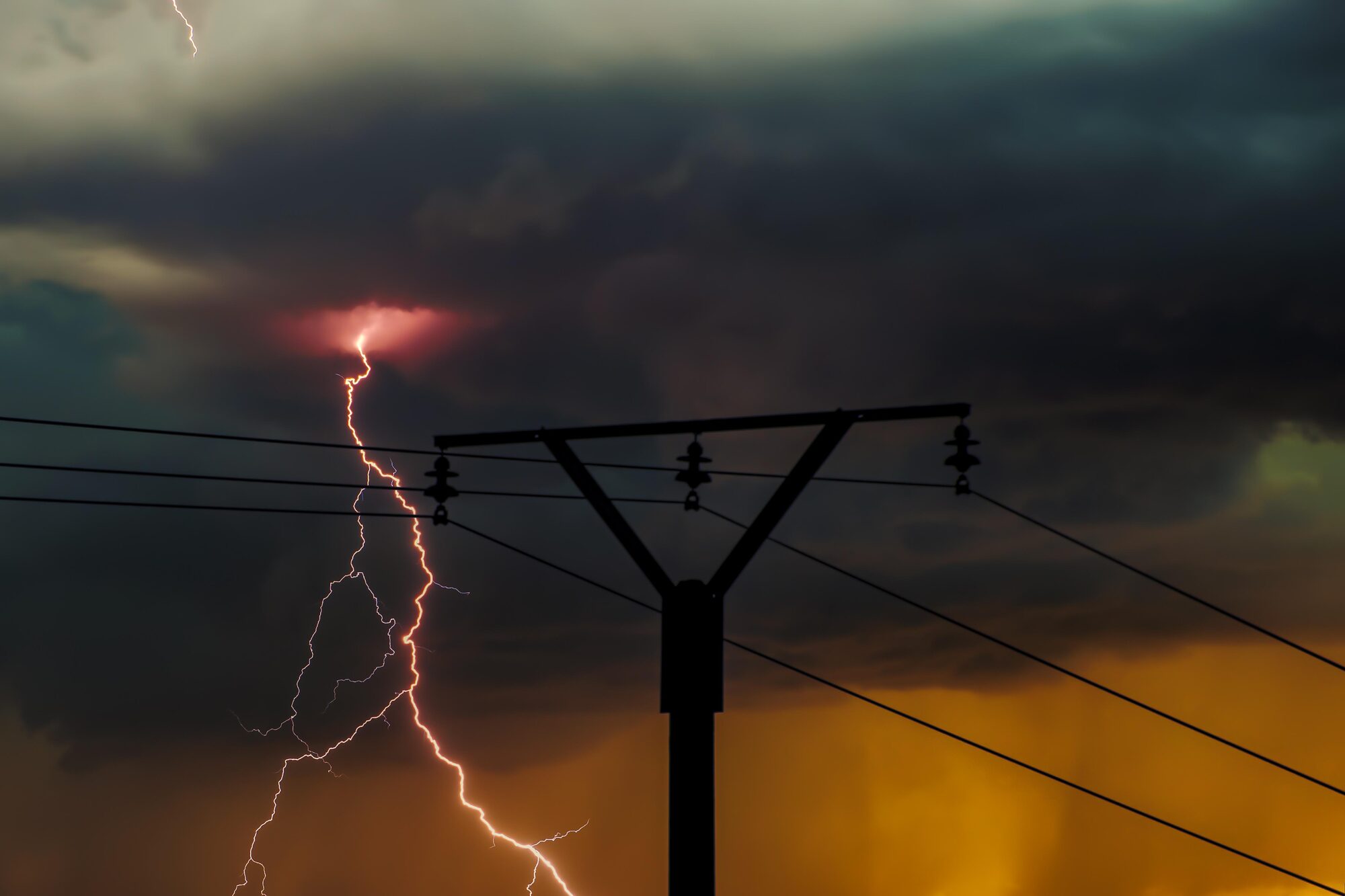
Downed lines: treat every single one as live
This is the one rule that doesn't bend. A downed power line doesn't stop being dangerous just because the power seems to be out in your neighborhood, and it doesn't stop being dangerous if it's lying in a puddle or across wet grass. Water conducts electricity well, and a line in contact with standing water can energize a much larger area than the wire itself.
If you see a line down, keep people and pets back, don't touch anything the wire is touching, including a fence or a car, and call the utility to report it rather than trying to move it yourself. Emergency crews would rather get a call about a line that turns out to be dead than have someone get hurt assuming it is.
If water got into your basement, garage, or panel
Basements are the riskiest spot in most Minnesota homes precisely because that's where the electrical panel, the water heater, and a lot of outlets tend to sit, low to the ground where floodwater collects first. If your basement or garage took on water and there's any chance it reached outlets, cords, or the panel itself, stay out and call an electrician rather than wading in to check.
If the area is still dry and you can safely reach your main breaker, shutting off power before water arrives is a reasonable precaution. Once water is already present, leave the breaker alone and call a professional instead of reaching for it. A panel or any wiring that's been wet needs a licensed electrician's inspection before it gets used again, full stop. That includes appliances, too. A washer, dryer, or water heater that sat in floodwater can look fine and still have damaged insulation or corroded connections inside that won't show up until it fails or starts a fire.
Breakers that won't stay reset
It's fine to reset a tripped breaker once. If it holds, you're probably dealing with an overloaded circuit or a storm-related power blip, nothing more. If it trips again immediately, or if it trips a second time after you've unplugged whatever was running on that circuit, stop resetting it and call for troubleshooting. A breaker that won't stay on after a storm is often telling you there's water intrusion or physical damage to the wiring behind the wall, and forcing it back on repeatedly risks a shock or an arcing fault you can't see.
Protecting your system before the next one
You can't stop a derecho from rolling through, but you can reduce how much damage it does to your electrical system and how long you're in the dark afterward. Two upgrades come up constantly with customers after a bad storm season. A whole-house surge protector won't stop lightning from hitting a line, but it does a lot to protect your panel, HVAC equipment, and electronics from the voltage spikes that come with grid switching during storm recovery. If you haven't looked at whether a whole-house surge protector makes sense for your home, storm season is exactly when it pays off.
The other conversation is backup power. Extended outages in outstate Minnesota have stretched a week or more in the worst cases, and even a shorter metro-area outage is a real problem if you're running medical equipment, a sump pump, or a business that can't afford downtime. A properly installed standby generator with a transfer switch keeps you from having to improvise with extension cords and portable units, which is where a lot of storm-season electrical fires and carbon monoxide incidents come from.
When to call us versus when to call the utility
Call your utility first for anything involving the lines, poles, or transformers outside your home, and for reporting outages in general. That's their equipment and their responsibility. Call a licensed electrician once the outage question is settled and you're dealing with anything on your side of the meter: a panel or outlets that got wet, breakers that won't hold, scorch marks, a burning smell, or damage to your service entrance where the line comes into the building. If you're not sure which category you're in, it's fine to call us and ask. We'd rather walk you through it over the phone than have you guess wrong.
Frequently asked questions
Is it safe to go into a flooded basement to check my breaker panel?
No. If your basement has standing water and there's any chance it reached the panel, outlets, or cords, stay out and call a licensed electrician rather than wading in to check things yourself.
How do I know if a downed power line is still energized?
You can't tell by looking, and a line can be dangerous even if the surrounding area appears to have lost power. Always assume it's live, keep well back, and report it to your utility instead of approaching or moving it.
My breaker keeps tripping after the storm even though I unplugged everything. What's going on?
That usually points to water intrusion or physical wiring damage rather than a simple overload. Stop resetting it and have an electrician inspect the circuit before it's used again.
Can I plug in appliances that got wet during flooding once they've dried out?
Not without having them checked first. Water can damage insulation and internal wiring in ways that aren't visible from the outside, so a licensed electrician should inspect any appliance that was submerged before you use it again.
Does a whole-house surge protector actually help during storm season?
Yes. It won't prevent a direct lightning strike, but it protects your panel, HVAC system, and electronics from the voltage spikes that commonly happen as utilities switch lines and restore power after storms.
Storm Damage on Your Property? Get It Checked Before You Flip Anything Back On
If your panel, outlets, or wiring got wet or you've got breakers that won't stay reset, our licensed electricians can inspect the damage and get your system back to safe operating condition.
Schedule an Inspection →