
Intech Blog
Panel Capacity for Heat Pumps, EV Chargers, and Induction Stoves
If you're adding a heat pump, an EV charger, and an induction range to a home built before the 1990s, there's a real chance your existing electrical panel doesn't have the room to run them all. The fix isn't always a full panel upgrade toamps, though — sometimes a proper load calculation shows you have more headroom than you think, and sometimes a smart load-management device solves it for less money than a service upgrade.
We're getting more calls like this every month, and it's not hard to see why. Homeowners across the Twin Cities are replacing gas furnaces with heat pumps, adding a garage EV charger, and swapping the gas range for induction, often within the same year. Each one of those appliances is a serious electrical load on its own. Stack two or three together and a panel that's handled a house fine for forty years suddenly can't keep up.
This isn't really a new problem electrically. It's the same math electricians have always run when adding big 240-volt loads to a house. What's changed is how often three or four of these loads show up on the same job at once, and how many older 100-amp panels in Minneapolis, St. Paul, and the surrounding suburbs are getting asked to do a job they were never sized for.
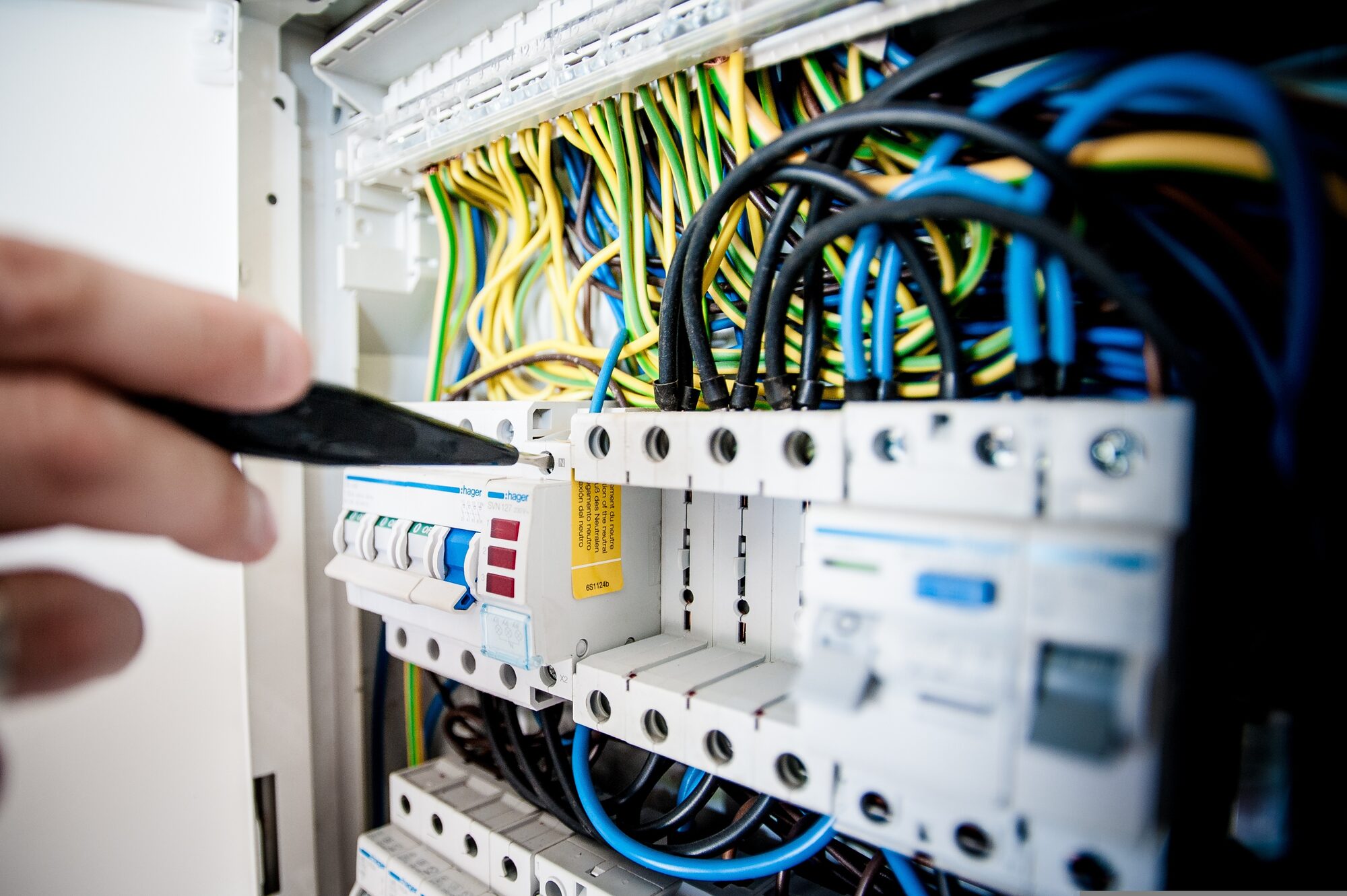
Why This Is Showing Up So Often Right Now
A lot of pre-1990 Twin Cities homes were built with 100-amp electrical service, back when the biggest loads in the house were the range, dryer, and central air. That was plenty of capacity for decades. It's not plenty anymore once you add a heat pump for heating and cooling, a LevelEV charger in the garage, and an induction range that pulls more current than the old gas stove ever needed a plug for.
None of these appliances are exotic anymore. Heat pumps are outselling gas furnaces in a lot of markets, EV ownership keeps climbing, and induction ranges have gone from niche to mainstream in kitchen remodels. That's a good thing for comfort and efficiency, but it puts real pressure on a panel that was never designed with all three in mind.
The Rough Amp Draws You're Stacking
These numbers vary by equipment size and model, but they give you a sense of scale. A central heat pump can draw somewhere in the neighborhood oftoamps depending on the size of the unit. A LevelEV charger typically needstoamps of its own dedicated circuit. An induction range commonly runstoamps. Add a heat pump water heater to that mix and you've got another meaningful load layered on top.
- Central heat pump: roughly 30-60 amps depending on size
- LevelEV charger: roughly 30-60 amps on a dedicated circuit
- Induction range: roughly 40-50 amps
- Heat pump water heater: a smaller but real additional load
Why Guessing Is a Bad Idea and What a Load Calculation Actually Does
You can't just add up nameplate amps and compare them to your panel's main breaker rating. Homes don't run everything at once, and the electrical code has a formal process, laid out in Articleof the National Electrical Code, for calculating what a home's service actually needs to carry. For existing homes adding new loads, electricians use methods built specifically for that situation rather than the stricter calculation used for brand-new construction.
That distinction matters because it's the difference between a homeowner being told they need an unnecessary $8,000 service upgrade and a licensed electrician showing them, with real numbers, that their existing 150-amp or 200-amp service has enough spare capacity for the new EV charger without touching the panel at all. It cuts both ways too — sometimes the calculation confirms you do need more capacity, and better to know that before the heat pump and the range are both sitting in your driveway.
Your Options If the Panel Is the Bottleneck
If the math says your existing service can't handle the new loads, you've generally got two paths. The traditional route is a full service upgrade, typically toamps, which usually means a new panel, a new meter socket, and often new service conductors from the utility connection. For a lot of Twin Cities homes that runs somewhere in the $3,000 to $8,000 range depending on whether the utility has to run new overhead or underground service and whether the meter has to be relocated.
The other route is smart load management. These are devices that monitor your home's total current draw in real time and automatically throttle or pause a lower-priority circuit, almost always the EV charger, when a bigger load like the range or the heat pump's backup heat kicks on. The car charges a little slower for a few minutes and then picks back up. It's a legitimate, code-recognized approach and it can cost meaningfully less than a full service upgrade, though it's not free and it's not the right fit for every household's daily routine.
What's Actually Available for Rebates Right Now
Minnesota's Home Electrification and Appliance Rebate program, which is supposed to eventually cover panel upgrades, wiring, and electrification equipment for income-qualified households, has still not launched as of the state's most recent public update, and the Department of Commerce has not given an estimated launch date. If you're planning a project now, don't count on that money showing up in time to help pay for it, and don't delay a panel replacement you actually need while waiting on a program with no start date.
Utility rebates are a more reliable option today. Xcel Energy, for example, has offered a rebate around $2,000 for qualifying cold-climate heat pumps in Minnesota, separate from any state or federal program. It's worth checking current utility program details before you buy equipment, since amounts and qualifying models change. On the EV side, we've already covered the federal EV charger tax credit situation in detail if you're weighing that into the budget too.
Don't Overlook the Panel Itself
Capacity is only half the question. If your home still has a Federal Pacific or Zinsco panel, that's a separate problem worth addressing before you add new high-draw circuits to it, regardless of amperage. And if you're already looking at a kitchen remodel for the induction range, it's worth having a broader conversation about whether pieces of your home's wiring need attention at the same time, rather than doing three separate projects a year apart.
Frequently asked questions
Do I need a 200-amp panel to add an EV charger?
Not necessarily. A load calculation on an existing 100 or 150-amp service often shows enough spare capacity for a single EV charger, especially with a load-management device. It depends on what else is already running in the house.
Can I add a heat pump, EV charger, and induction range all on the same 100-amp panel?
Usually not without either a service upgrade or a load-management system, since those three loads together commonly add up to more than a 100-amp panel can safely carry alongside everyday household use.
How much does a panel upgrade cost in the Twin Cities?
A typical 100-amp to 200-amp service upgrade generally runs somewhere in the $3,000 to $8,000 range, depending on whether the utility needs to run new service conductors and whether the meter needs to move.
Is a load calculation something I can do myself?
You can find online calculators, but permit reviewers and utilities want documentation from a licensed electrician who understands which method applies to your specific home and equipment mix.
Are there rebates available for panel upgrades in Minnesota right now?
Minnesota's state electrical panel rebate program has not launched as of the latest state update, so utility rebates for the equipment itself are currently the more dependable option.
Planning a Heat Pump, EV Charger, or Induction Range?
Get a real load calculation before you buy the equipment, so you know exactly what your panel can handle and what it can't.
Request a Quote →