
Intech Blog
Federal Pacific & Zinsco Panels: Should You Worry?
If your home still has a Federal Pacific Electric Stab-Lok panel or a Zinsco panel, the concern is real: both brands have a long, well-documented history of breakers that fail to trip during an overload or short circuit, which is the one job a breaker absolutely has to do. Neither brand was ever formally recalled, so you won't find a government notice telling you to replace it, but electricians, home inspectors, and increasingly insurance companies treat these panels as a known liability. If you're not sure what's behind your panel cover, that's worth finding out before you assume everything's fine.
A lot of Twin Cities housing stock dates from the exact decades these panels were everywhere. Federal Pacific Electric panels with Stab-Lok breakers went into homes roughly from the 1950s through the 1980s, and Zinsco panels (later sold under the Sylvania name) were common from the 1950s into the 1970s. If your house was built or last rewired in that window and hasn't had a panel upgrade since, there's a real chance one of these is still doing the job.
None of this means your house is about to catch fire tonight. These panels have been quietly running for decades in a lot of homes without incident. But a breaker that doesn't trip when it's supposed to is a hidden failure, one you won't notice until the moment you actually need it to work, and that's exactly why so many people in the trade take this seriously.
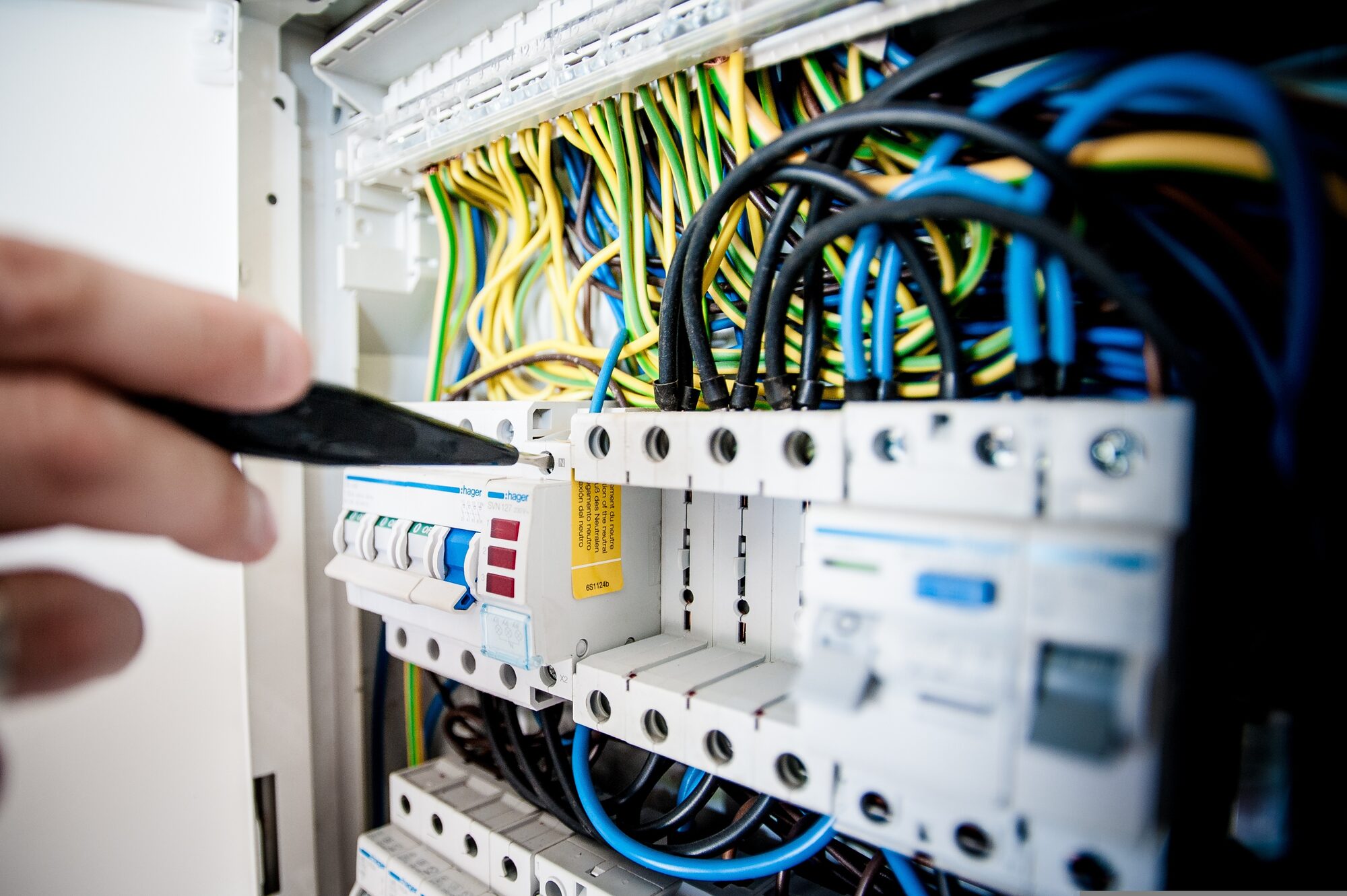
What's actually wrong with a Federal Pacific Stab-Lok panel
The Consumer Product Safety Commission opened a formal investigation into Federal Pacific Stab-Lok breakers aroundafter electricians and fire investigators raised concerns about how the breakers performed under fault conditions. Testing at the time found that a significant share of the panels didn't meet Underwriters Laboratories standards, and UL pulled its listing for Stab-Lok breakers during that same period. Separately, a New Jersey court later found in a class action case that Federal Pacific had violated consumer fraud law by distributing breakers that had never legitimately passed UL testing in the first place.
The CPSC closed its investigation inwithout issuing a recall. Reports at the time cite limited agency resources and budget cuts as part of the reason, and the commission itself later clarified that closing the case wasn't a determination that the breakers were safe. That's the confusing part for homeowners: no recall exists, but that's not the same thing as a clean bill of health.
Zinsco panels have a different failure mode, same bad outcome
Zinsco breakers use an aluminum clip to connect to the panel's bus bar, and that connection can corrode and weaken over time. When it does, the breaker can effectively fuse to the bus bar. A breaker in that state can look like it's switched off while current is still flowing through it, and it won't trip properly if a circuit overloads or shorts. Field reports from electricians and fire investigators over the years have consistently pointed to this same failure pattern in Zinsco and Zinsco-Sylvania equipment. Like FPE, there's never been an official product recall, so it comes down to knowing what you have and making an informed call.
How to check what panel you actually have
This part is safe to do yourself: you're just looking, not touching anything inside the panel. Open the outer door of your panel (not the dead-front cover over the breakers) and look for a manufacturer's name or logo, usually printed near the top or on a label inside the door. Stab-Lok panels say Federal Pacific Electric or FPE. Zinsco panels often have a vertical column of colored breaker handles down the center and a Zinsco or GTE-Sylvania logo.
If you see either name, or you're not sure what you're looking at, that's the point to stop and call someone. Don't remove the dead-front cover to poke around inside; that's exposed, energized equipment, and it's exactly the kind of thing our electrical troubleshooting and repair techs handle safely with the right tools and training.
Why replacing breakers alone doesn't fix it
It's tempting to just swap out a few worn breakers and call it done, but the underlying flaw with both of these brands lives in the panel itself, not just the individual breakers. Aftermarket breakers may not seat or trip correctly in an FPE or Zinsco panel bus, so replacing individual breakers can give you a false sense that the problem's solved. A full panel upgrade swaps out the whole panel, gets you modern breaker protection, and usually adds capacity for things you didn't have decades ago, like EV chargers, heat pumps, or a home office full of electronics.
This is also a good moment to have an electrician glance at your grounding, your service size, and whether any of your branch wiring is aluminum, since homes from this era sometimes have more than one outdated component. We've written before about aluminum wiring in older Twin Cities homes and about what your options are with two-prong outlets, both of which show up alongside these old panels often enough that it's worth checking while the panel's already open.
Insurance and resale come into play too
Plenty of homeowners find out about this issue not from a spark or a tripped breaker, but from an insurance underwriter or a home inspector during a sale. Some insurers ask directly about FPE or Zinsco panels on applications, and it's common for carriers to require replacement or charge a higher premium if one turns up. If you're buying or selling a home in the Twin Cities built in that mid-century window, it's worth having the panel checked early rather than finding out during underwriting or a week before closing.
What to expect from a replacement
A straightforward panel swap is usually a one-day job for a licensed crew, though the exact timeline depends on your service size, whether you're upgrading amperage, and how much of the existing wiring needs new connections at the new panel. Your utility will need to pull power to the house for part of the day, and depending on scope, a permit and inspection are part of doing it right, not an optional extra. If your home's electrical needs have grown since it was built, a panel replacement is also the right time to think about future load, whether that's a generator, solar, or an EV charger down the road.
Frequently asked questions
Is a Federal Pacific Electric panel a fire hazard?
Federal Pacific Stab-Lok breakers have a well-documented history of failing to trip properly during overloads or short circuits, which electricians and safety researchers consider a genuine fire and shock risk, even though no formal recall was ever issued.
Was there ever an official recall of FPE or Zinsco panels?
No. The Consumer Product Safety Commission investigated Federal Pacific panels in the early 1980s and closed the case in 1983 without a recall, and Zinsco panels have never had a recall either, despite widespread documented failure reports from electricians and inspectors.
How do I know if I have a Zinsco or Federal Pacific panel?
Open the outer panel door, without removing the inner cover over the breakers, and look for a manufacturer's name or logo, usually near the top of the panel or on an interior label; Zinsco panels also often show a vertical row of colored breaker handles down the center.
Can I just replace the individual breakers instead of the whole panel?
Not really. The defect is generally tied to the panel's bus bar and breaker connection design, not just the breakers, so swapping a few breakers doesn't reliably fix the underlying problem, and a full panel replacement is the safer, more permanent solution.
Will my homeowners insurance cover a house with an FPE or Zinsco panel?
Many insurance carriers ask about these panel brands and some require replacement or charge higher premiums before issuing or renewing a policy, so it's worth checking with your insurer directly if you know or suspect you have one.
How long does a panel replacement take?
A typical residential panel swap takes about a day for a licensed crew, though the timeline depends on your service size, any amperage upgrade, and permit or inspection scheduling with the city.
Not Sure What Panel You Have?
Get a straightforward assessment of your electrical panel and a clear quote if a replacement makes sense for your home.
Request a Quote →