Intech Blog
NFPA 70E Just Updated: What MN Businesses Need to Know
NFPA 70E, the national standard for electrical safety in the workplace, is now on itsedition, and it added a requirement that changes how a lot of facilities staff energized electrical work: a second, trained person now has to be present whenever a job requires an energized work permit calling for shock or arc flash PPE. If your written electrical safety program, training records, or energized work permits still reference theoredition, that's the gap worth closing before an OSHA inspector, insurance auditor, or incident does it for you.
It's easy to mix up the different NFPA electrical documents, so it's worth being clear about what's what. The National Electrical Code, NFPA 70, governs how wiring and equipment get installed in the first place, and Minnesota just moved to its own 2026 NEC adoption. NFPA 70B covers how that equipment gets maintained over its life, a standard we've written about before since it became a full standard instead of a recommended practice. NFPA 70E is different from both: it governs how people work safely around equipment that's still energized, or being put into an electrically safe condition. It's the document your electricians, maintenance techs, and safety manager should be referencing before anyone opens a panel door on live gear.
NFPA 70E isn't itself an OSHA regulation, but OSHA leans on it heavily. Inspectors, insurance auditors, and expert witnesses in incident investigations routinely measure a facility's electrical safety program against whatever the current edition of 70E requires, using the General Duty Clause as the legal hook. That means theedition became the practical benchmark for Minnesota manufacturers, food processors, warehouses, and any commercial building with its own switchgear or motor control centers as soon as it took effect in 2026, whether or not anyone updated the binder on the shelf.
What actually changed in theedition
The headline change is a brand new requirement for an additional person during certain energized work. When a job requires an energized electrical work permit that specifies shock or arc flash PPE, at least one more person trained in emergency response now has to be positioned just outside the arc flash or limited approach boundary, whichever is bigger, ready to respond if something goes wrong. Single-electrician energized work on that kind of task isn't compliant anymore under the new edition.
Beyond staffing, theedition reorganized how it handles newer technology. There's now dedicated coverage in the standard for DC electrical hazards, battery systems, and photovoltaic installations, reflecting how much more common solar arrays, battery storage, and EV charging infrastructure have gotten on commercial and industrial sites. It also tightened how equipment PPE gets tested and marked for conformity, and added guidance on additional test methods for situations where a simple absence-of-voltage check doesn't fully confirm equipment is de-energized.
- A second, trained person required for justified energized work under an energized work permit
- New coverage for DC systems, batteries, and photovoltaic equipment
- Tighter conformity marking requirements for arc-rated PPE
- Additional testing guidance where voltage testing alone isn't enough to confirm equipment is de-energized
Why this isn't just a paperwork update
That second-person rule has real cost implications for a lean maintenance crew. If your facility has one electrician on second shift who occasionally has to troubleshoot a live circuit, that job now needs staffing you may not have on hand atp.m. It also means your energized work permits, job briefing forms, and emergency response plans need actual language changes, not just a note that says "seeedition." An auditor who reviews your program after an incident is going to notice if your documentation still points ator earlier.
There's also a maintenance angle that ties directly into that 70B standard we mentioned. Equipment condition affects the whole risk picture in 70E, since a poorly maintained breaker or loose connection changes the incident energy calculation your arc flash study is based on. Facilities that treat electrical safety and preventive maintenance as two separate binders that never talk to each other are the ones most likely to have real gaps.
Where this hits Minnesota facilities hardest
This matters most for anywhere with motor control centers, switchgear, or process equipment that's tough to fully shut down for routine troubleshooting: manufacturing plants, food and beverage production, cold storage, warehouses with automated conveyor and sortation systems, and any commercial building running its own industrial controls. If your team also maintains or expanded into solar installations or backup battery systems in the last few years, the new DC and PV coverage applies directly to that equipment too.
Businesses already juggling tighter grid conditions, like the strain we covered in our piece on grid alerts and brownouts, are often the same ones running equipment hard enough that energized troubleshooting becomes tempting instead of scheduling a shutdown. That's exactly the pressure the new staffing rule is meant to push back against.
What to check before your next audit
You don't need to overhaul everything overnight, but a handful of items are worth reviewing now rather than after an incident or a surprise inspection.
- Update energized electrical work permits to require and document the additional person
- Confirm anyone who'd serve as that additional person actually has current emergency response training, not just availability
- Check that your arc flash labels and PPE conformity markings reflect current requirements
- Review whether battery, DC, or solar equipment on site is covered anywhere in your written electrical safety program
- Ask whether tasks currently done energized could reasonably be de-energized instead, which sidesteps the new staffing requirement entirely
How Intech can help
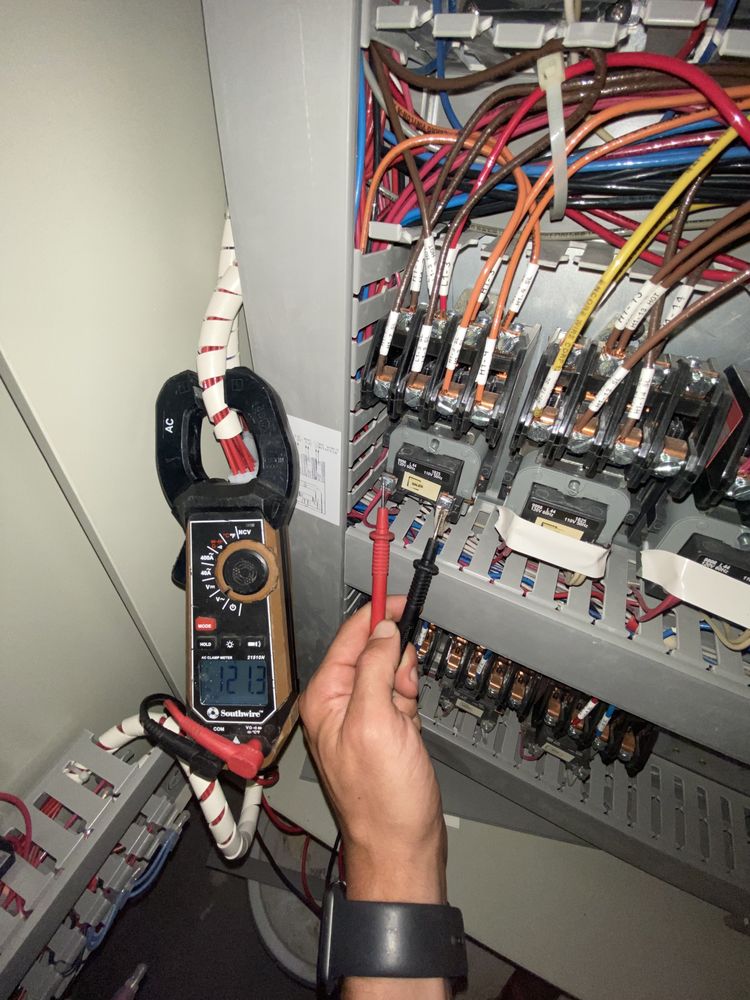
We do a lot of work inside live control panels and switchgear as part of equipment power wiring and industrial controls projects, so we're already thinking about arc flash boundaries and safe work practices on every job. If your electrical safety program needs a fresh set of eyes, or your maintenance schedule needs to catch up with what your equipment actually requires, our preventative maintenance plans are built to keep that gear in the condition your risk assessments assume it's in.
Frequently asked questions
Is NFPA 70E the same thing as the National Electrical Code?
No. The National Electrical Code, NFPA 70, governs how electrical systems get installed, while NFPA 70E governs how workers safely perform tasks around energized or de-energized equipment on the job.
Does OSHA legally require compliance with NFPA 70E?
OSHA doesn't cite NFPA 70E by name in its regulations, but it references the standard as the recognized industry practice and enforces electrical safety through its General Duty Clause and existing electrical standards, so facilities are effectively measured against it.
What's the biggest change in the NFPA 70E 2027 edition?
The most significant change is a new requirement for a second, trained person to be present during justified energized electrical work whenever the job requires an energized work permit specifying shock or arc flash PPE.
Do small commercial buildings need a formal electrical safety program?
Any business with employees who could be exposed to energized equipment, even occasionally, should have a written electrical safety program, though the scope can be much simpler for a small commercial space than for a manufacturing plant.
Does the new edition make my existing arc flash study outdated?
Not automatically. Incident energy calculations are still based on your actual electrical system, but the parts of your program covering staffing, work permits, and training practices should be reviewed against the current edition.
Get Your Facility's Electrical Program Reviewed
Intech Corporation works inside live panels and switchgear every week across the Twin Cities. Let us take a look at your equipment condition and electrical setup before an audit does.
Schedule a Service Visit →