System design & site assessment
Evaluating your roof, electrical service and household usage to size a system that actually fits your home.

Solar Panel Installation
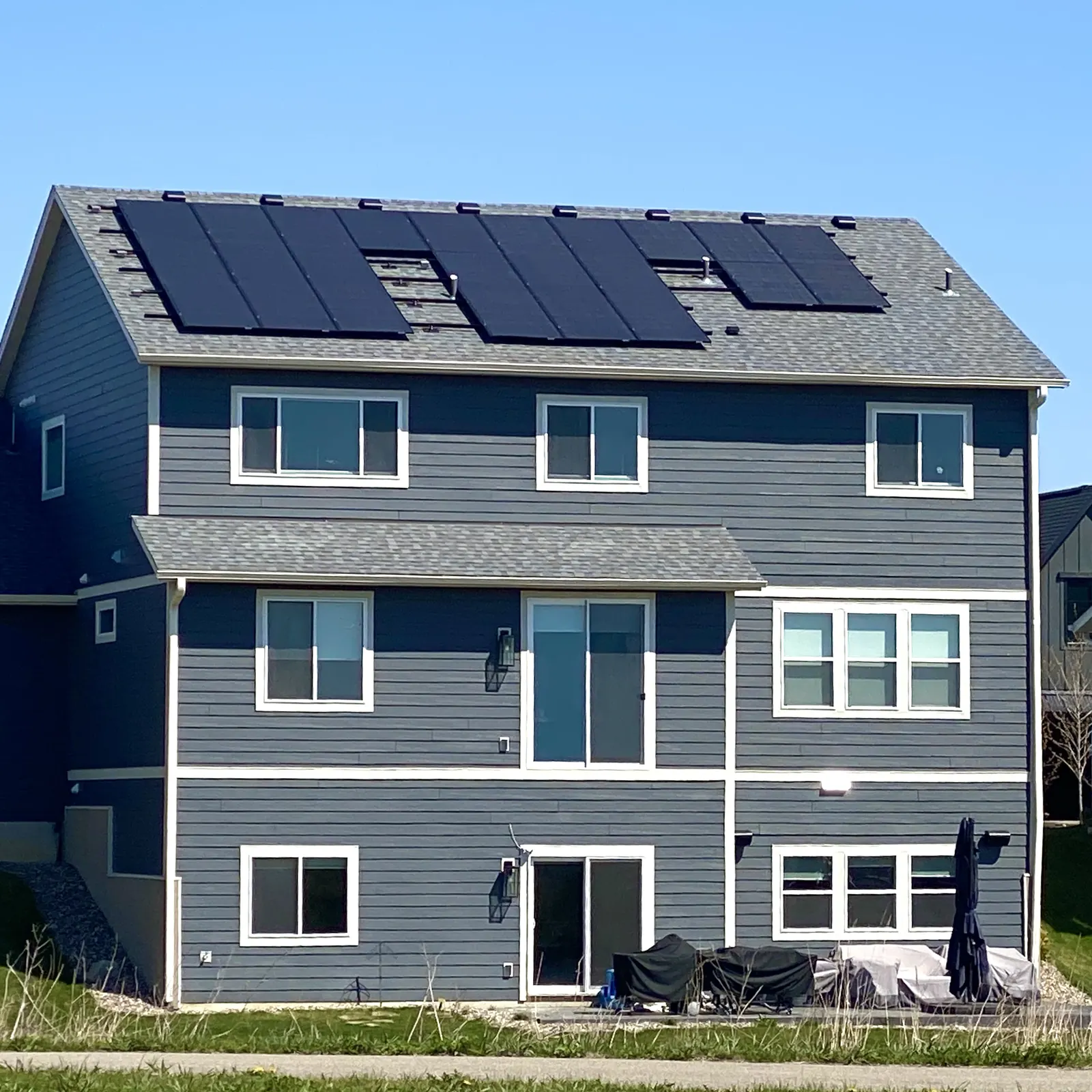
Full-service residential solar installation — system design, permitting, mounting, wiring and utility interconnection — handled by electricians, not just panel installers.
Start a Conversation →Evaluating your roof, electrical service and household usage to size a system that actually fits your home.
Handling the building and interconnection permits, plus the paperwork needed for utility permission to operate.
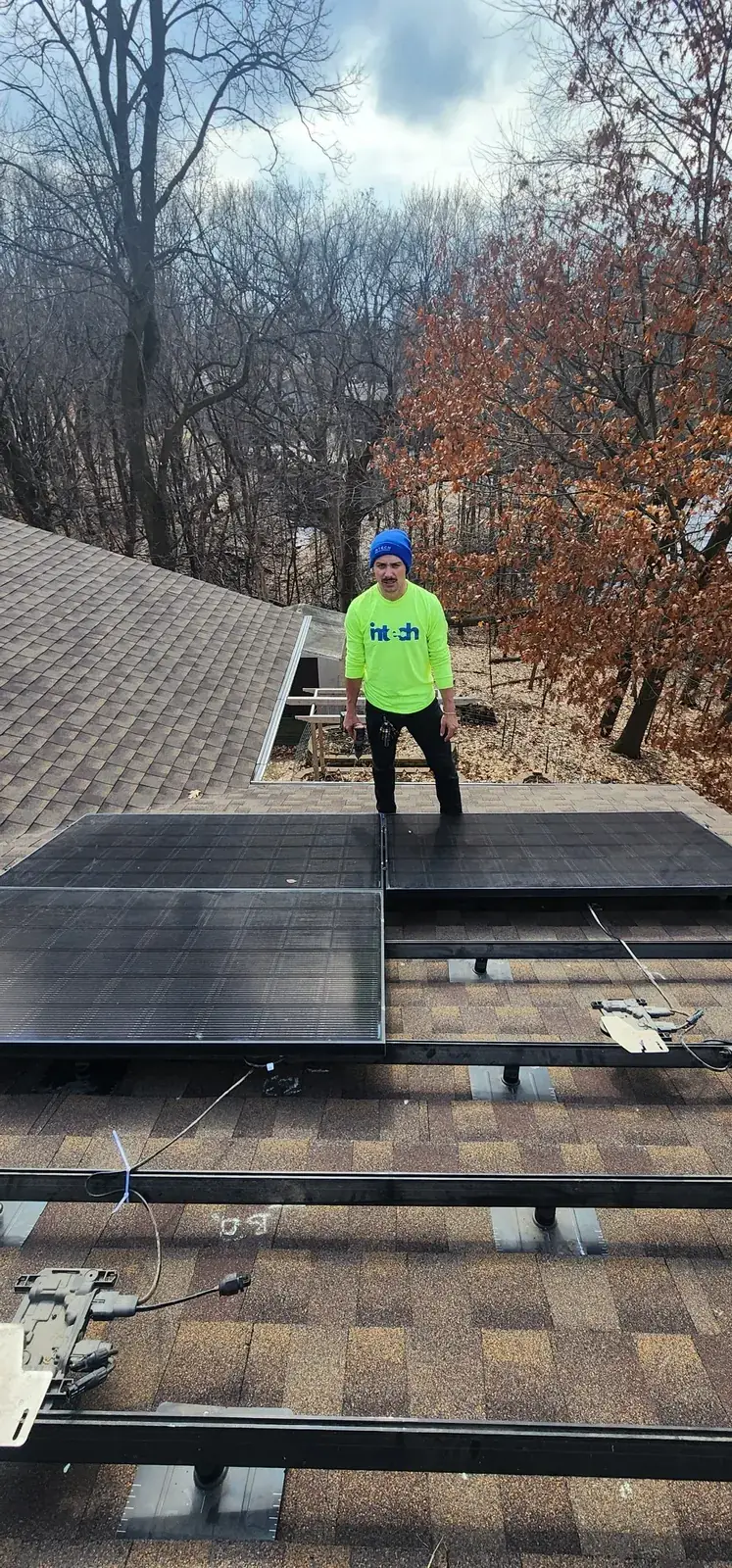
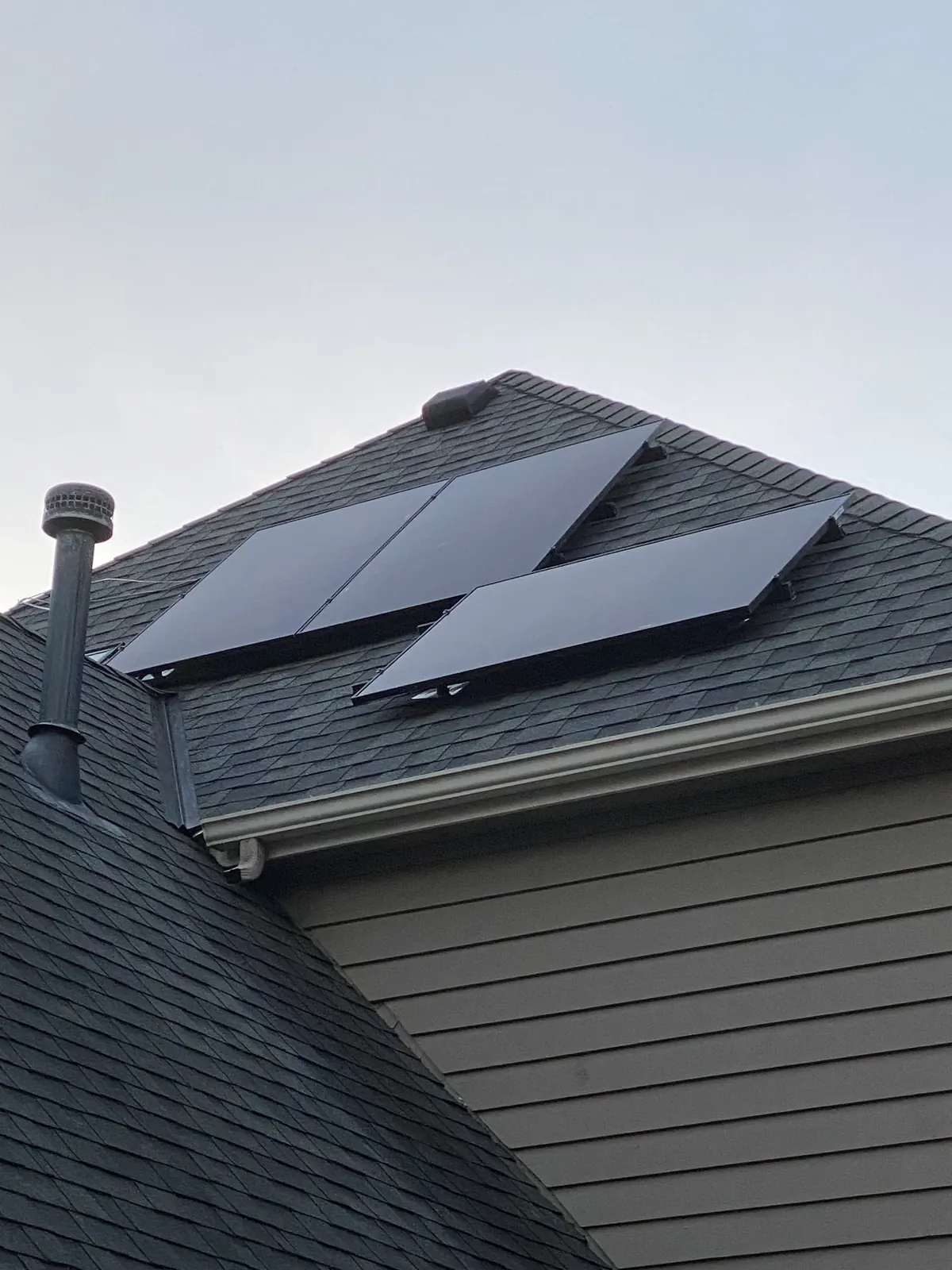
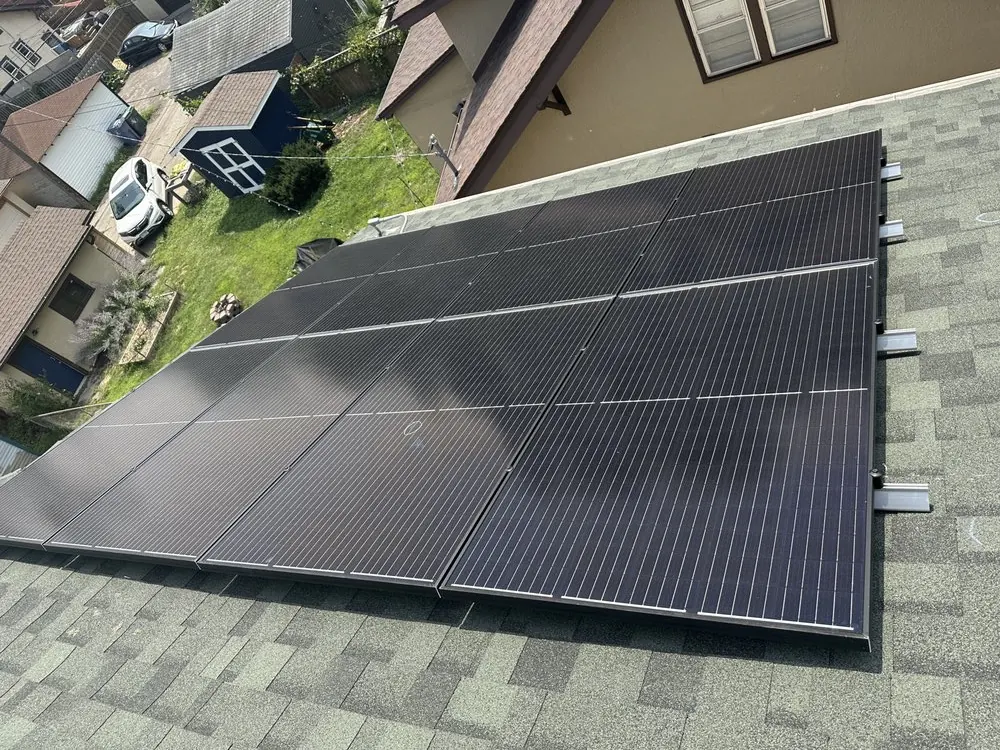
Properly anchored, sealed mounting hardware and panel placement built to last through Minnesota weather.
Wiring the array into your home's electrical system and integrating the inverter that converts DC to usable AC power.
Coordinating the municipal electrical inspection and utility meter swap needed before your system goes live.
Physical installation typically takes one to three days for most home systems, though the full process from signed contract to activation — including permitting and utility interconnection — commonly takes one to three months.
Yes. Most solar installations require both a building permit and a utility interconnection permit, and permitting timelines vary by city, so plan for a few weeks as part of the overall process.
The system needs to pass a municipal electrical inspection, and your utility must grant permission to operate before it's activated — often including a new bi-directional meter for net metering.
Mounting hardware is typically anchored into roof rafters with lag bolts, and any penetrations are sealed and checked for watertightness as a routine part of a professional installation.
From the Field