
Intech Blog
Aluminum Wiring in Twin Cities Homes: What You Need to Know
If your house went up between roughlyand the early 1970s, there's a decent chance the branch circuits behind your walls are aluminum instead of copper, and the federal Consumer Product Safety Commission found that connections in those homes aretimes more likely to reach fire hazard conditions than copper-wired homes. It's not the wire itself that's the problem, it's what happens at the outlets, switches, and splices over the decades. The fix isn't a DIY project, but it's also not something to ignore, and a licensed electrician can tell you in one visit whether you've got it and what your options are.
A lot of the first-ring suburbs around Minneapolis and St. Paul, places like Golden Valley, Richfield, Bloomington, Roseville, and plenty of St. Paul neighborhoods, were built out fast during the baby boom years when copper prices spiked and builders switched to aluminum for branch circuit wiring to save money. Betweenand 1972, over two million homes nationwide were wired this way, and there are homes all over the Twin Cities with it sitting behind the drywall right now.
The seller of one of these houses will usually tell you it's never been a problem. That might be true today. It doesn't mean it'll stay that way, and it's not something you can just eyeball once and forget about.
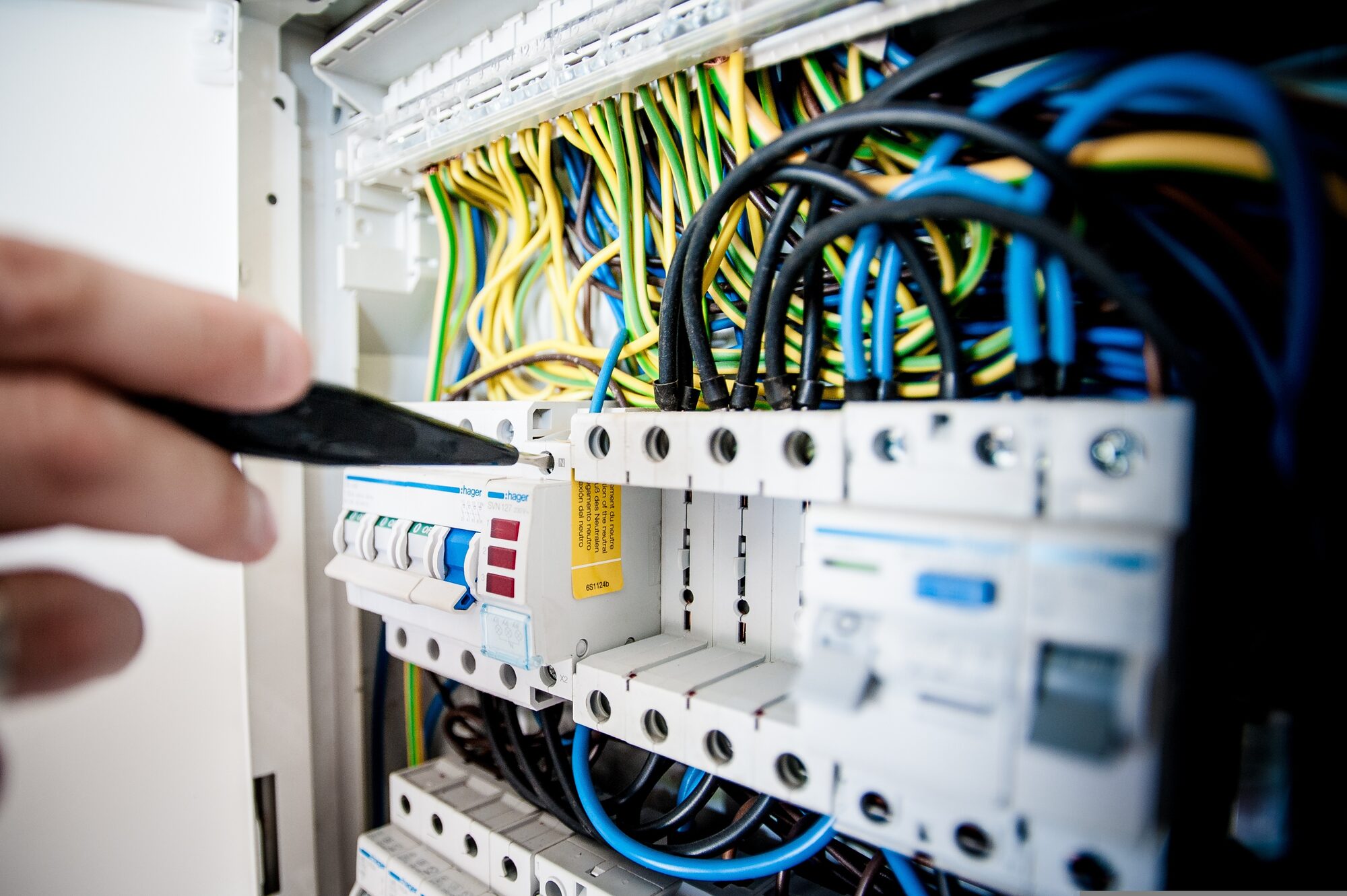
Why aluminum wiring behaves differently than copper
The metal itself conducts electricity fine. The trouble is at the connection points, outlets, switches, splices, and light fixture boxes, where aluminum expands and contracts more than copper does as it heats and cools with normal use. Over years of that expansion and contraction cycle, those connections loosen. A loose connection means higher resistance, and higher resistance means heat. Add in the fact that aluminum oxidizes more readily than copper, and you get a slow-building problem that can sit quietly for years before it turns into a warm outlet, a scorched wire nut, or worse.
In 1972, manufacturers changed the alloy used in aluminum branch wiring to a formula that handles these issues much better, so a home wired after that point with the newer alloy carries a lot less risk than one wired with the older material. That's part of why the exact build year of your house matters more than people expect.
How to tell if you've got it
You don't need to open a panel or pull a device apart to get a good clue. A few safe, visual checks can point you in the right direction before you call anyone.
- Check your home's construction date. If it was built or had an addition wired between the mid-1960s and early 1970s, aluminum wiring is a real possibility.
- Look at any exposed wiring in an unfinished basement or attic. Aluminum has a distinct dull, silvery color compared to copper's reddish tone, and the cable jacket is often stamped with the word aluminum or the letters AL.
- Check the label inside your panel cover, without removing anything else. Some panels list the wire type used for the branch circuits.
- If any of that points to aluminum, or you're just not sure, the safest next step is having a licensed electrician confirm it during a full electrical troubleshooting visit rather than digging into boxes yourself.
Warning signs that mean it's time to call someone now
Most aluminum-wired homes don't announce a problem until it's already developed. Warm outlets, discolored switches, or a faint burning plastic smell near an outlet or panel are all signs that a connection is running hotter than it should. Flickering lights that aren't tied to a dimmer, or an outlet that's stopped working for no obvious reason, are worth taking seriously too. None of these are things to poke at yourself. If you notice any of them, shut off what's plugged into that circuit if you can do it safely from outside the panel, and get a licensed electrician out to look at it.
What actually fixes the problem
There's no code-approved shortcut here, and simple twist-on wire nuts by themselves are considered a temporary patch at best, not a real fix. There are a few legitimate paths, and which one makes sense usually comes down to the size of the home and your budget.
A full rewire, pulling out the aluminum branch circuits and replacing them with copper, is the most complete option but also the most invasive, since it usually means opening up walls and ceilings. Our whole-home rewiring team handles this for older Twin Cities housing stock regularly. Short of a full rewire, a properly installed connector repair at every outlet, switch, and splice, using a method like a torque-set pigtail connector rather than an ordinary wire nut, gives you a permanent, code-recognized way to isolate the aluminum from the copper devices it connects to. Either way, this is workmanship that has to be done correctly at every connection point in the home, not just the ones that are easy to reach, and it has to be done by someone who's handled this specific problem before.
Insurance and resale, not just fire risk
This isn't only a safety conversation. If you're insuring or re-insuring a home with aluminum wiring, your carrier will often want an interior inspection, and if the wiring shows wear or hasn't been addressed, the insurer may require repairs before writing or renewing the policy. If you're selling a home from this era, expect a buyer's inspector to flag it, and expect it to come up in negotiations whether you disclose it upfront or not. Getting ahead of it with a professional evaluation, and remediation if it's needed, tends to save a lot of back-and-forth later, whether that's with an insurance company or a buyer's agent.
Frequently asked questions
How do I know if my house has aluminum wiring?
The biggest clue is the build date, roughly 1965 to the early 1970s for most Twin Cities homes. A licensed electrician can confirm it quickly by checking exposed wiring in the basement or attic and the labeling on your panel.
Is aluminum wiring illegal or does it have to be replaced right away?
Aluminum wiring isn't illegal to have in an existing home, and it doesn't automatically mean a fire is imminent. But it does carry a documented higher fire risk at connections, so most electricians and insurers recommend having it evaluated and remediated rather than left alone.
Can I just replace a few outlets myself to fix it?
No. Swapping in a standard outlet or switch doesn't address the underlying connection problem, and improper aluminum wiring repairs are known to create new hazards rather than solve the existing one. This is a job for a licensed electrician who has specifically worked with aluminum branch circuits before.
Will my homeowners insurance drop me over aluminum wiring?
It depends on the carrier, but many insurers will inspect a home with known aluminum wiring and may require repairs before issuing or renewing a policy. Getting it addressed proactively usually gives you more options than waiting for an insurer to flag it.
How much does it cost to fix aluminum wiring?
Cost varies a lot based on the size of the home and how many circuits and connection points need work, and whether you're doing targeted connector repairs versus a full copper rewire. An electrician can give you a real number after seeing the panel and a sample of the wiring.
Not sure what's behind your walls?
If your home was built in that mid-1960s to early-1970s window, Intech can check your wiring and panel and lay out exactly what your options are.
Schedule an Inspection →