
Intech Blog
Do You Need a Whole-House Surge Protector in Minnesota?
A whole-house surge protector is a device installed at your electrical panel that intercepts voltage spikes before they reach your wiring, appliances, and electronics, and it protects the entire house instead of just whatever's plugged into a power strip. It's a smart upgrade for just about any Twin Cities home, and if you're getting a new panel or a panel upgrade, it's not really optional anymore, the electrical code requires one.
Homeowners usually start thinking about surge protection after a thunderstorm knocks out power for a few hours, or after a neighbor's dead refrigerator gets blamed on "a power surge." That instinct isn't wrong, but it's incomplete. Utility switching, downed lines, and nearby lightning strikes do send surges down the line, and Minnesota gets its share of summer storms that do exactly that. But the more common surges are smaller and constant, generated inside your own house every time your air conditioner compressor kicks on, your furnace blower starts, or a big appliance motor cycles off.
Those internal surges are tiny compared to a lightning strike, but they're relentless, and they add up over years the way small stress cracks add up in concrete. Modern homes have a lot more to lose than they used to: smart thermostats, network gear, induction ranges, EV chargers, control boards in nearly every appliance. A furnace control board or a smart panel can run several hundred dollars to replace, and that's before you count the electronics scattered around a typical house.
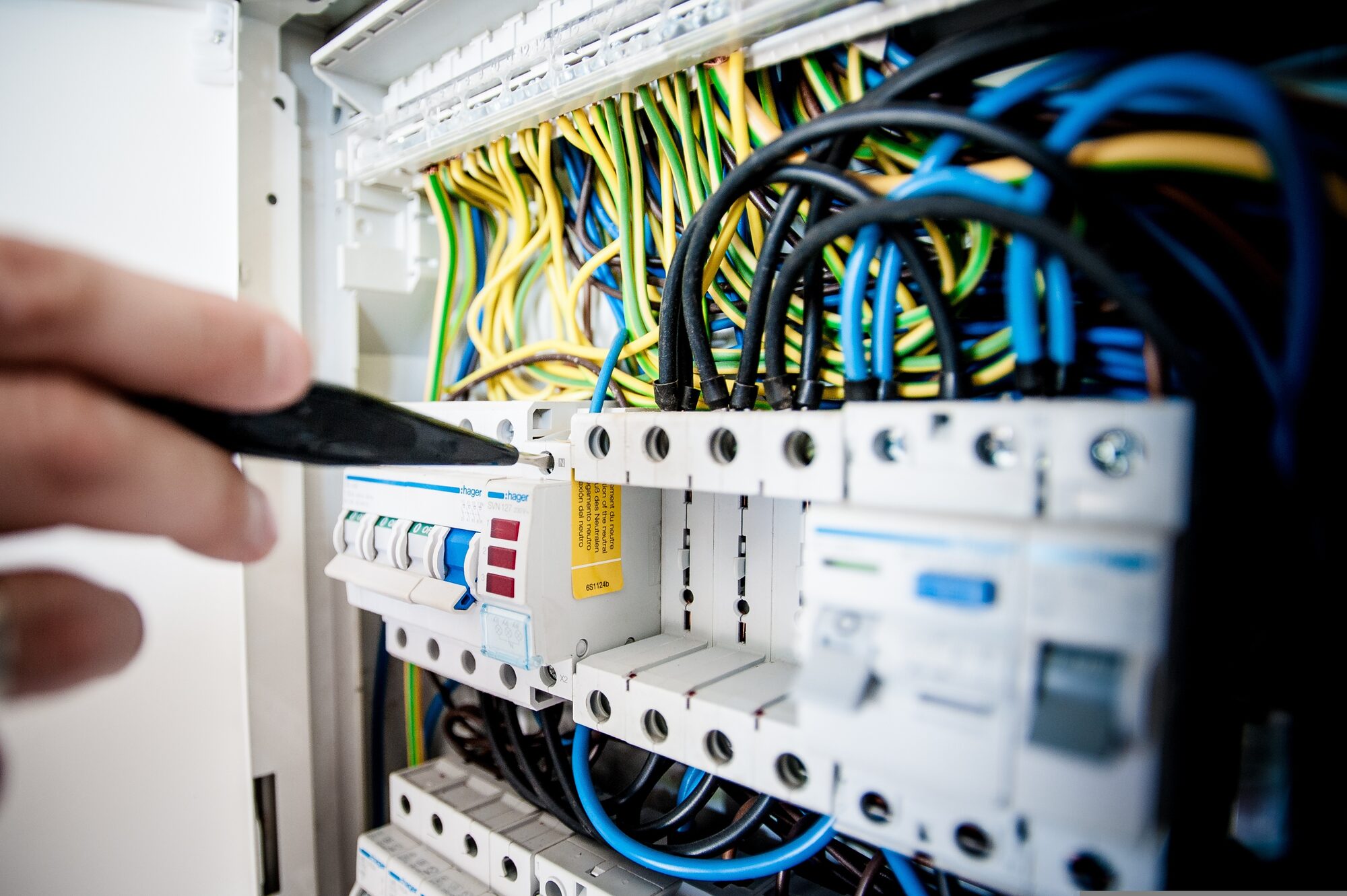
What a whole-house surge protector actually does
A whole-house unit, sometimes called a Typeor Typesurge protective device (SPD), mounts at or near your main panel or subpanel. When voltage spikes above normal, the SPD gives that extra energy a fast path to ground instead of letting it ride through your branch circuits to whatever's plugged in. It doesn't store or block the surge, it just diverts it, the way a pressure relief valve opens under too much load and closes again once things settle down.
This is different from the surge-protected power strip you buy at a hardware store. A power strip only protects what's plugged into it, and it does nothing for your hardwired appliances, HVAC equipment, or anything on a dedicated circuit. A panel-mounted SPD covers everything downstream of it. Most electricians recommend a layered approach: a whole-house device at the panel as the first line of defense, plus point-of-use surge strips for particularly sensitive gear like home theater equipment or a home office setup.
It's not just a lightning thing
Lightning gets the headlines, but no surge protector, no matter how good, can fully stop a direct strike. What a good SPD handles well is the far more common stuff: utility grid switching, a transformer nearby doing its job, a tree branch brushing a line during a windstorm, and the internal surges from your own HVAC and appliance motors cycling. If you're weighing whether to pair this with backup power before storm season, it's worth reading about standby generators ahead of fall storms at the same time, since both projects often touch the same panel.
What the electrical code actually requires
This part surprises a lot of homeowners. Since theedition of the National Electrical Code, Section 230.67 has required a listed Typeor Typesurge protective device on new electrical services supplying dwelling units, and that requirement also applies when an existing service is replaced, not just on brand-new construction. Later code cycles expanded similar surge protection language to feeders and outside branch circuits under related sections, and extended coverage to occupancies like dormitories and hotel guest rooms. This isn't a brand-new idea for the current code cycle, it's been carried forward and built on for several cycles running.
What that means practically: if you're doing a panel upgrade or replacing an old federal Pacific or Zinsco panel, your electrician needs to include surge protection as part of that job to meet code, not as an optional add-on. If your panel hasn't been touched since before 2020, there's a decent chance you don't have one yet.
Cost and what installation involves
A professionally installed whole-house surge protector is a modest expense compared to what it protects against. Depending on the device and panel setup, installed cost typically runs somewhere in the low hundreds of dollars, a small fraction of what a single fried furnace board, water heater control, or set of smart appliances can cost to replace. Most units include an LED status indicator so you can see at a glance whether the device is still functioning or has taken a hit and needs replacing.
This isn't a project for DIY. It involves working at the panel where the service conductors terminate, and getting the connection wrong defeats the purpose of the device or creates a genuine hazard. If your panel is aging, undersized, or one of the recalled brands insurers flag, it's worth handling the surge protector at the same time as a broader panel evaluation rather than bolting it onto old, questionable equipment.
Who should prioritize this now
Some households have more to lose than others, and it's worth moving surge protection up the priority list if any of these apply to your home.
- You're adding an EV charger or heat pump and touching the panel anyway.
- Your home runs on overhead service drop lines, which are more exposed to nearby lightning and tree-limb contact than buried service.
- You've got a sump pump, well pump, or sewage ejector pump protecting your basement, since a fried pump control board during a storm is a bad time to discover it.
- You have a home office, security system, or media setup with real money tied up in electronics.
- Your panel predatesand has never had surge protection added.
Frequently asked questions
Does a whole-house surge protector stop all power surges?
No, it handles the vast majority of surges from utility switching, storms, and appliance cycling, but no device can fully stop a direct lightning strike. Unplugging sensitive electronics is still smart advice ahead of a severe storm.
Can I install a whole-house surge protector myself?
This work happens at your electrical panel where the service conductors terminate, so it should be done by a licensed electrician rather than as a DIY project.
Is a whole-house surge protector required by code in Minnesota?
The National Electrical Code has required surge protection on new or replaced dwelling services since the 2020 edition, and Minnesota's adopted code carries that requirement forward, so it applies any time a service or panel is replaced.
How do I know if my surge protector is still working?
Most whole-house units have an LED status indicator on the device itself. If that light shows a fault or goes dark, the device has likely absorbed a significant surge and needs to be replaced.
Do I still need power strip surge protectors if I have a whole-house unit?
It's a good idea for particularly sensitive electronics like home theater or computer equipment. The whole-house device is your first line of defense, and point-of-use protection adds a second layer.
Will a whole-house surge protector fit in my existing panel?
Most modern devices are designed to work with any panel brand, but older or crowded panels sometimes need extra space or a compatible breaker slot, which an electrician can confirm during an inspection.
Protect Your Whole House, Not Just an Outlet
Intech can add code-compliant surge protection to your existing panel or build it into a panel upgrade, EV charger install, or generator project.
Get a Quote →