
Intech Blog
Selling in the Twin Cities? What the Electrical Inspection Will Flag
In Minneapolis, a Truth in Sale of Housing evaluation looks at your electrical outlets, fixtures, and service panel and can force repairs before a buyer ever takes possession. In St. Paul, the rule is much narrower: the only electrical item the city actually requires you to fix is a working hard-wired smoke detector. Every other Twin Cities suburb falls somewhere in between, usually leaning on the buyer's private inspector and the seller's disclosure form instead of a city-run program.
Fall is a busy closing season in the Twin Cities. Buyers who started looking over the summer are trying to close before winter, and a lot of those deals hinge on what the electrical portion of the inspection turns up. If you're selling, the worst time to find out about a bad panel or an unpermitted circuit is during a ten-day inspection window with a buyer's agent watching the clock. If you're buying, the electrical section of the report is one of the few parts that can actually cost you real money down the road, not just be a line item to negotiate.
The rules aren't the same across the metro, and that catches a lot of people off guard. What's required in Minneapolis isn't required three miles away in a suburb with no point-of-sale program at all.
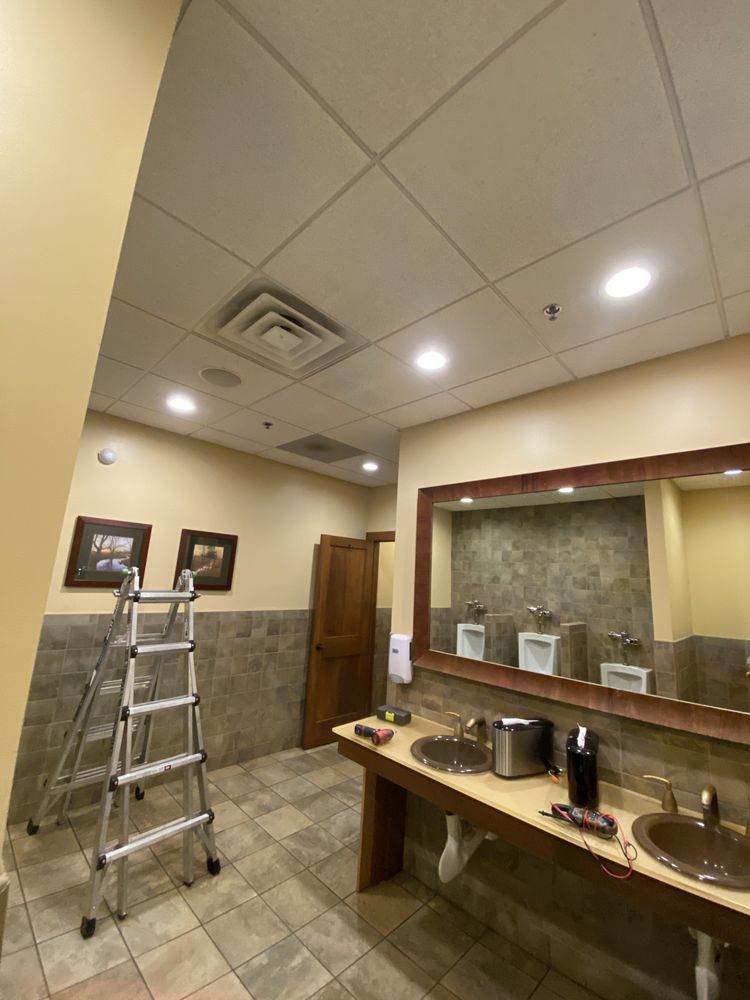
Minneapolis: the TISH report can force electrical repairs
Minneapolis requires any single-family home, duplex, or townhome listed for sale to have a current Truth-In-Sale of Housing evaluation report before it can be marketed. A licensed TISH evaluator walks the property and checks a long list of items, and electrical outlets and fixtures along with the electrical service panel are specifically on that list.
Here's the part that surprises people: if the evaluator marks something as Repair/Replace, the buyer is responsible for correcting it after closing, unless the seller agrees to handle it first. The buyer hasdays from closing to complete the required repairs and get them reinspected. Anything that involves a permit has to be inspected by a city or state inspector, and any safety check on repaired or replaced electrical work has to be done by a state-licensed electrical contractor, not the TISH evaluator and not a handyman. That last part matters if you're a buyer inheriting a repair obligation. You can't just have a friend look at it and call it done.
This is exactly the kind of situation where a pre-listing panel inspection pays for itself. Fixing a flagged panel or a missing ground on your own schedule beats scrambling to find a licensed electrician during a 90-day buyer deadline with an escrow account tied up.
St. Paul: disclosure-only, with one hard requirement
St. Paul's Truth-in-Sale of Housing program works differently. The report is disclosure-only for almost everything, including electrical items, meaning the seller isn't required to fix a hazard just because the evaluator noted it. The one exception is the hard-wired smoke detector. If it's missing or not functioning, the city sends the seller a letter requiring a licensed electrical contractor to pull a permit and install one, and the permit has to be finalized with the electrical inspector before the sale closes cleanly.
So in St. Paul, a bad panel, aluminum branch wiring, or missing GFCI protection can show up on the report and technically doesn't have to be fixed to sell the house. In practice, though, buyers and their agents read that report too, and a page full of electrical hazards is a great way to lose negotiating leverage or scare off a buyer entirely, even without a legal requirement forcing your hand.
Suburbs: no city program, but the same money on the table
Most Twin Cities suburbs don't run a point-of-sale evaluation program at all. Sellers rely on the state-mandated disclosure form and the buyer's private home inspector. That sounds like less oversight, and it is, but it doesn't mean the electrical system matters less. A general home inspector will glance at your panel, note the brand and the amperage, and move on. They're not going to pull the dead front, test breakers under load, or tell you whether your grounding is adequate, because that's outside their scope and, frankly, outside their license.
Whatever city you're in, the panels that cause the most trouble in a sale are the same ones we cover in our Federal Pacific and Zinsco panel guide. Buyers' agents in the Twin Cities have gotten sharp about spotting these brands, and more than one insurer will decline to write a policy on a home that still has one installed. That alone can stall a closing even if the local inspection program doesn't technically require replacement.
What actually derails a closing
After doing enough of these, a short list of issues comes up again and again on both buyer-side and seller-side inspections.
None of these require a full rewire in most cases, but they all require a licensed electrician's sign-off and, in many cases, a permit filed with the state or the city before the sale can close without a headache.
- Federal Pacific, Zinsco, or Pushmatic panels flagged by an inspector or insurer
- Double-tapped breakers, where two wires land under one lug meant for one
- Aluminum branch wiring from homes built in the copper-shortage years of the mid-1960s to mid-1970s
- Missing GFCI protection in kitchens, bathrooms, and other wet locations
- Ungrounded two-prong outlets in older homes with no equipment ground
- Unpermitted work, especially basement finishes done without an electrical permit on file
Timing it right if you're selling this fall
If you know you're listing before winter, get a licensed electrician through the panel and the visible wiring before your buyer's inspector does. That gets you a flat price on any repair, time to actually schedule the work instead of rushing it, and a written report you can hand to a buyer's agent that says the electrical system was checked by a state-licensed contractor, not just eyeballed by a home inspector.
If you're buying and the seller's TISH report already flags a service panel, don't assume it's a simple fix. Get a scope and a price from a licensed contractor before you agree to take on that repair obligation, especially if you're the one on the clock for that 90-day Minneapolis window.
Frequently asked questions
Does every Twin Cities city require an electrical inspection before selling a home?
No. Minneapolis requires a Truth in Sale of Housing evaluation that includes the electrical panel and outlets, St. Paul's program only forces a fix on a missing smoke detector, and most suburbs have no point-of-sale program at all, relying instead on the buyer's private inspector.
Who has to fix electrical problems found in a Minneapolis TISH report?
The buyer is responsible for correcting flagged repair items within 90 days of closing unless the seller agrees to handle them before the sale, and any electrical safety check has to be done by a state-licensed electrical contractor.
Can I fix electrical issues myself before selling to save money?
If the work needs a permit, or if it's tied to a required repair under a city program, it has to be done or verified by a licensed electrical contractor, not a homeowner doing it themselves for a home that's about to change hands.
Does a Federal Pacific or Zinsco panel automatically fail a home inspection?
It's not always an automatic fail on paper, but these panel brands are widely flagged by home inspectors and can trigger an insurance non-renewal, which in practice often forces a replacement before closing.
How long does a pre-listing electrical inspection take?
Most whole-panel and wiring inspections run one to two hours depending on the size and age of the home, with a written report covering the panel, grounding, and any code-sensitive items.
Get Ahead of the Inspection
Whether you're listing this fall or closing on a home with a flagged panel, get a licensed electrician's report before the deadline is set for you.
Schedule an Inspection →