
Intech Blog
Adding a Hot Tub or Pool? What Minnesota Electrical Code Requires
A hot tub or pool needs a dedicated, GFCI-protected circuit installed by a licensed electrician, along with a properly bonded equipotential grid around the water and a service disconnect mounted at least 5 feet away but within sight. This isn't optional paperwork. It's the difference between a normal backyard upgrade and one of the more preventable ways people get electrocuted every summer.
We're getting more calls than usual this year for hot tub and pool circuits. Home equity is up, above-ground pools are cheap and easy to order online, and every big-box store sells a plug-and-play spa that makes the wiring look like an afterthought. It isn't. Water and electricity share a backyard in these setups, and the National Electrical Code has an entire section, Article 680, dedicated just to keeping the two apart.
The Consumer Product Safety Commission has tracked shock-related pool and spa incidents for years, and the numbers aren't huge nationally, but they're almost entirely preventable. Nearly every one traces back to the same handful of causes: missing GFCI protection, degraded underwater lighting, or someone running an extension cord to a pump instead of a proper circuit.
The two mistakes we see the most
First is the extension cord problem. A pump, heater, or filter gets plugged into whatever outdoor outlet is closest, sometimes daisy-chained through a second cord to reach the equipment pad. That's exactly the setup the CPSC calls out as a leading cause of pool electrocutions, because cords degrade outdoors, connections corrode, and none of it is protected the way a properly installed circuit is.
Second is skipping GFCI protection on the breaker itself. A lot of older hot tub installs, and more than a few DIY pool pump circuits, run on a standard breaker with no ground-fault protection at all. If there's ever a fault in the pump motor or heater element, a GFCI breaker trips in a fraction of a second. Without one, that fault can energize the water itself, and a swimmer has no warning before it happens.
What the code actually requires
Article 680 covers pools, spas, hot tubs, and fountains, and its whole purpose is keeping people and electricity separated. In practical terms, that means GFCI protection on the circuits feeding pumps, heaters, and lighting, plus GFCI protection on nearby receptacles. It also means bonding: every piece of metal within reach of the water, ladders, pump housings, metal fencing, has to be tied together with a solid copper bonding conductor so nothing can become energized relative to anything else nearby.
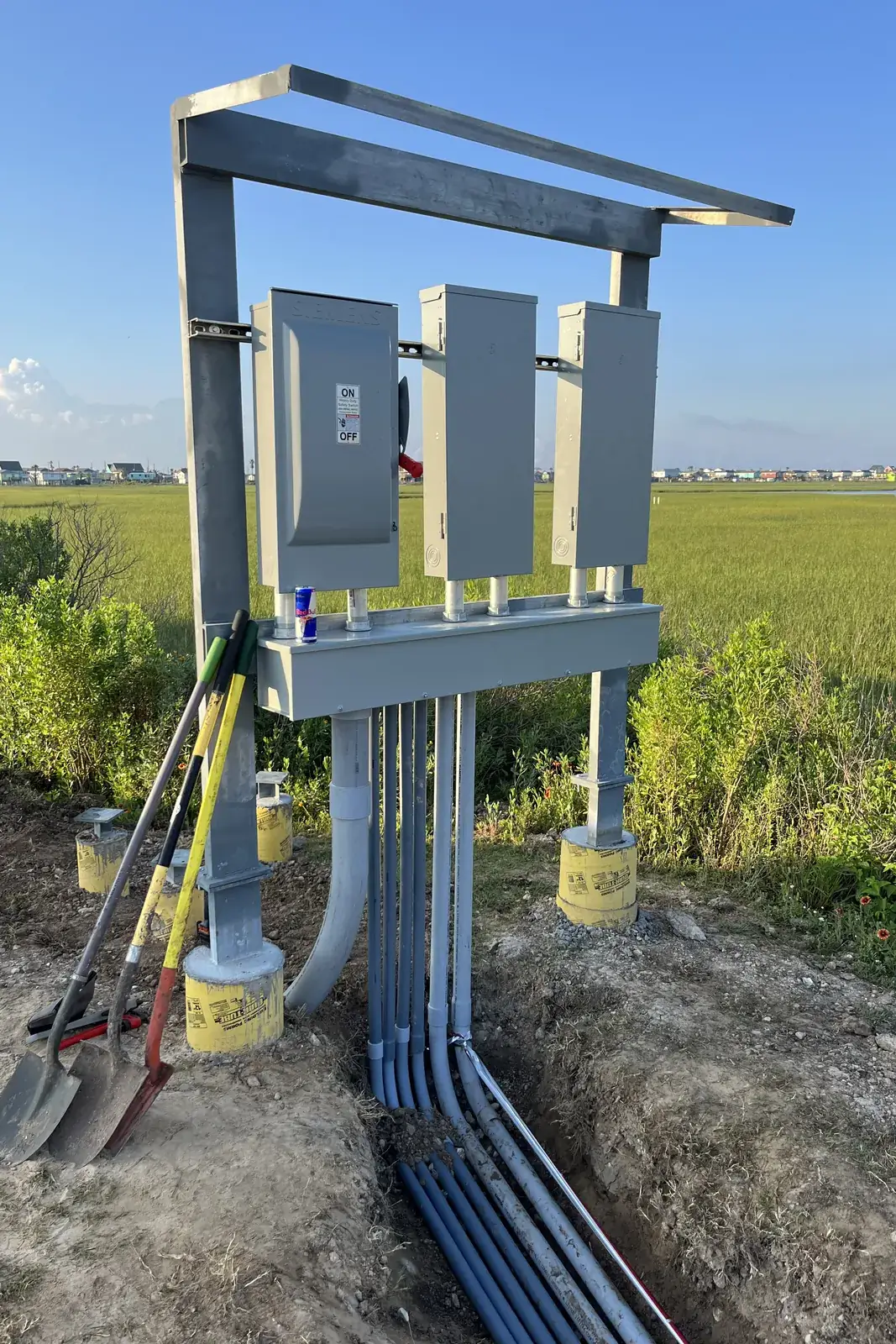
There's also a disconnect requirement. Every pool or spa needs a means to shut off power for service that's readily accessible and within sight of the equipment, but not closer than 5 feet to the water's edge. For hot tubs installed anywhere other than a single-family home, like a rental property or apartment amenity space, code also calls for a separately labeled emergency shutoff for the pump and jet motors.
None of this is a place to improvise. If your project involves adding a subpanel or your existing panel is already tight on capacity, that's worth sorting out before the pool or tub shows up in the driveway, not after.
Above-ground pools and storable spas aren't exempt
A lot of homeowners assume the code only applies to permanent, in-ground pools. It doesn't. An inflatable or soft-sided pool that can hold a meaningful depth of water still falls under Article 680's storable pool rules, and any cord-connected pump for one of these needs to be double-insulated with a GFCI built into the plug itself. Plug-and-play hot tubs are the same story. They still need a code-compliant receptacle, proper GFCI protection, and correct clearance from the structure, even though the tub itself arrives mostly assembled.
Overhead power lines are another thing people overlook. Minnesota utilities and local building departments require specific clearance between overhead conductors and the water's surface, and burying service conductors under a pool, spa, or hot tub isn't allowed. If your planned spot is anywhere near an overhead line, that's a conversation to have with your electrician before you dig or pour a pad.
Permits aren't optional here
Twin Cities municipalities require an electrical permit for pool, spa, and hot tub wiring, whether it's a new in-ground pool or a simple plug-in spa on a deck. Minnesota also requires that this work be done by a licensed electrical contractor in almost every case, with only a narrow exception for homesteaded owners doing their own work on their own single-family home. Skipping the permit doesn't just risk a failed inspection. It can also void homeowner's insurance coverage if something goes wrong later, which matters a lot if you're ever dealing with a shock injury claim or a fire that started at the equipment pad.
If you're already planning whole-home rewiring or an older service upgrade, it's worth folding the pool or spa circuit into that same project instead of treating it as a separate afterthought.
What to expect when you call an electrician
A typical visit starts with a look at your main panel to confirm there's room for a new 240-volt circuit, usually in the 40-to-60-amp range for a hot tub, sized differently for pool pumps and heaters depending on the equipment. From there it's running proper wiring in conduit, installing a GFCI breaker, setting the disconnect at the right distance, and tying the bonding grid together before anything gets covered up or backfilled. A rough-in inspection happens before that, and a final inspection happens once everything's connected and tested.
If you're weighing a new pool or hot tub against your home's current electrical setup, our panel upgrade and troubleshooting and repair teams handle this kind of work regularly across the Twin Cities, and we can tell you pretty quickly whether your existing panel has the room or needs work first.
Frequently asked questions
Can I just plug my hot tub into a regular outdoor outlet?
No. Hot tubs need a dedicated, correctly sized circuit with GFCI protection, even the plug-and-play models. A standard outdoor outlet or extension cord is one of the most common causes of shock injuries near pools and spas.
Do I need a permit for a hot tub or pool circuit in Minnesota?
Yes, Twin Cities cities require an electrical permit and inspection for pool, spa, and hot tub wiring, and Minnesota generally requires this work be done by a licensed electrical contractor.
What's the difference between bonding and grounding for a pool?
Grounding gives fault current a path back to the panel to trip a breaker. Bonding connects all the metal parts near the water together so they stay at the same electrical potential, which prevents shock even if there's a small stray current in the system.
How far does a pool or spa disconnect switch need to be from the water?
The service disconnect needs to be readily accessible and within sight of the equipment, but located at least 5 feet away from the water's edge.
Are above-ground pools and inflatable spas held to the same code as in-ground pools?
They're covered by the same article of the electrical code, though the specific requirements differ. Cord-connected pumps for these pools still need double insulation and built-in GFCI protection on the plug.
What happens if a pool or hot tub is wired without a permit?
Beyond the safety risk, unpermitted electrical work can void homeowner's insurance coverage and create problems when you sell the home, since it typically has to be corrected and inspected before closing.
Adding a Pool or Hot Tub This Year?
Get the circuit, bonding, and disconnect done right the first time, with a permitted inspection to back it up.
Get a Quote →