
Intech Blog
Portable Generator Safety: Avoiding Backfeed and CO Risks
A portable generator plugged straight into a wall outlet or dryer receptacle can send electricity backward through your home's wiring and out onto the utility lines, a hazard called backfeed that has killed line crews working what they believe is a dead circuit. The safe way to run a portable generator during an outage is to keep it outside, at leastfeet from the house, and connect it through a properly installed interlock kit or transfer switch that a <a href="../generator-installation.html">licensed electrician</a> puts in ahead of time, never through an extension cord jammed into your own panel.
Late summer and fall are prime season for Twin Cities power outages, between thunderstorm lines rolling through and the first heavy wet snow knocking down branches. A lot of homeowners respond by buying a portable generator, which is a smart move, but the way people connect them to the house is where things go wrong. We get calls every storm season from folks who ran an extension cord backward into a dryer outlet, or asked a neighbor to do it, and got lucky. Not everyone does.
This isn't the same conversation as deciding whether to invest in a <a href="../generator-installation.html">whole-house standby system</a> before fall storms hit. That's a bigger financial decision. This is about the generator a lot of people already own, sitting in the garage, and whether it's connected the right way when the lights go out.
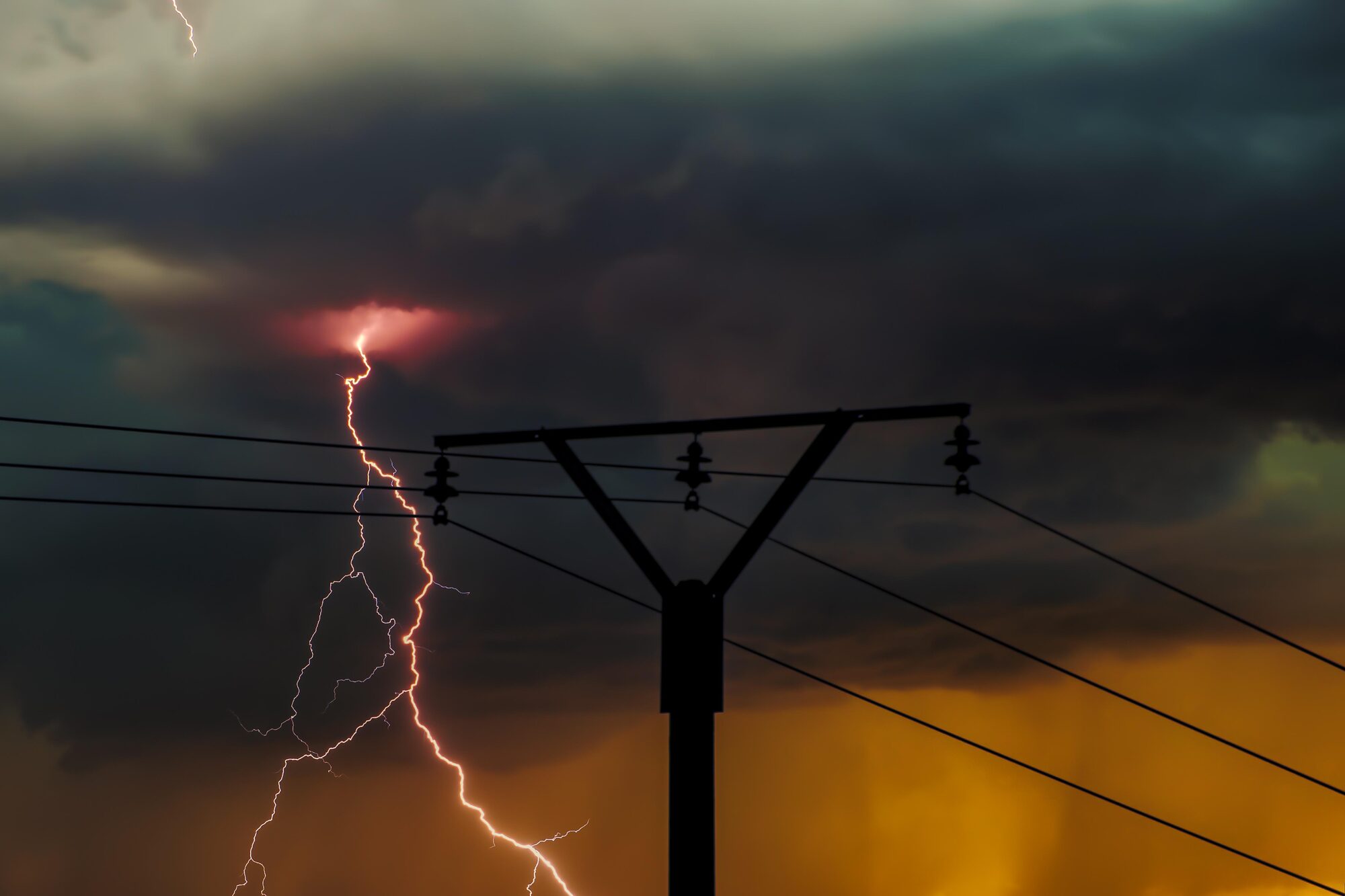
Why a "Suicide Cord" Can Kill a Lineman a Mile Away
A backfeed cord, sometimes called a suicide cord because it has male plugs on both ends, lets you push generator power into a wall outlet and, from there, backward through your panel and out through the meter onto the utility line. Utility guidance is blunt about what that does: backfeed sends power in reverse through a home's electrical lines, creating a dangerous condition that can seriously injure or kill a crew member trying to restore power. A lineman working a downed or de-energized line has no way to know your generator is feeding it, and the voltage doesn't stay at your householdorvolts either. It gets stepped up through a nearby transformer, the same one that normally steps utility voltage down for your house, so a small generator can put thousands of volts back onto a line a repair crew is touching with bare hands or gloves rated for a line they believe is dead.
This is exactly the scenario the National Electrical Code addresses in Article 702, which covers optional standby systems including generators arranged for connection to a portable supply. The rule at its core is simple: there has to be transfer equipment that keeps the utility source and the generator from ever being connected to the panel at the same time. That's not a suggestion, and it's not something a $15 extension cord adapter satisfies.
Carbon Monoxide: The Danger Inside Your Own Garage
Backfeed threatens other people. Carbon monoxide mostly threatens you. The Consumer Product Safety Commission estimates that an average of aboutpeople die in the U.S. each year from carbon monoxide poisoning tied to portable generators, and sinceportable generators alone have been linked to an estimatednon-fire CO deaths, more than any other single consumer product category the agency tracks. Most of those deaths happen at home, and most of them happen because someone ran the generator in a garage, basement, porch, or other space that felt "ventilated enough" but wasn't.
It isn't. CPSC guidance is direct that opening a garage door or a few windows will not provide enough airflow to prevent lethal CO buildup, and generators should run outside only, at leastfeet from the house, never on a porch or under a carport. CO is colorless and odorless, so by the time you notice a headache or feel dizzy, you may already be in trouble.
Buying a New Generator? Look for a CO Shutoff
If you're shopping for a portable generator now, this matters more than horsepower or run-time. Federal regulators have pushed the industry toward built-in carbon monoxide sensors that automatically shut the engine down when CO levels climb, and models certified to the current voluntary safety standards are estimated to cut CO poisoning deaths bytopercent compared to units without that feature. That's a meaningful difference for the same rough price point as an older-style unit, and it's worth checking the spec sheet before you buy rather than after.
The Right Way to Wire a Portable Generator Into Your Home
There are a couple of code-compliant ways to connect a portable generator so it can power circuits inside without any backfeed risk, and they all involve a licensed electrician and, in Minnesota, an electrical permit.
The most common options are a generator interlock kit, which is a mechanical plate that physically prevents your main breaker and the generator breaker from both being on at once, and a manual transfer switch feeding a small subpanel of the circuits you actually want to keep alive, like the furnace blower, sump pump, and refrigerator. Larger installations sometimes use an automatic transfer switch instead. Some utilities also offer a meter-collar style adapter that mounts at the meter socket, but availability varies by provider and you'd need to confirm that with your utility before buying one. Whichever route fits your panel and your budget, the work has to be done and inspected properly, both because it's the law and because unpermitted generator wiring is exactly the kind of thing that can complicate an insurance claim later. If you're not sure whether your existing panel has room for a generator interlock or a subpanel, that's worth a quick electrician visit before storm season, not during it.
- Interlock kit: cheapest option, mounts on your existing panel, works with the whole panel one circuit at a time as you manage the load
- Manual transfer switch subpanel: dedicated switch and subpanel for pre-selected critical circuits, no juggling breakers during an outage
- Automatic transfer switch: typically paired with a permanently installed standby unit rather than a portable generator
- Meter-socket adapter: utility-dependent, worth asking about but not universally available
What You Can Safely Check Yourself
None of this means you need an electrician standing next to you every time you run a generator. There's plenty you can and should handle on your own. Keep the unit outdoors, away from windows, doors, and vents, and pointed so exhaust doesn't drift toward the house. Use only heavy-duty, outdoor-rated extension cords sized for the load you're running, and don't overload the generator by daisy-chaining too many appliances. Install carbon monoxide alarms on every level of the house and near sleeping areas, with battery backup so they still work if the power's out. And if you ever smell exhaust indoors or a CO alarm sounds, get everyone outside into fresh air immediately and callbefore you try to sort out the cause.
Frequently asked questions
Can I plug my portable generator into a wall outlet or dryer outlet?
No. That creates a backfeed condition that can push electricity out onto utility lines and seriously injure or kill a lineworker, and it's not a code-compliant connection method under any circumstances.
How far from my house should I run a portable generator?
Federal safety guidance recommends running a portable generator outdoors only, at least 20 feet away from windows, doors, and vents, never in a garage, basement, or on a porch or carport.
Will opening the garage door give my generator enough ventilation to run inside?
No, opening doors or windows does not provide enough airflow to prevent a dangerous buildup of carbon monoxide, which is why generators should always run outside in the open air.
What's the difference between an interlock kit and a transfer switch?
An interlock kit is a mechanical plate on your existing panel that stops the main and generator breakers from both being on at once, while a transfer switch uses a dedicated subpanel to power a chosen set of circuits, and both prevent backfeed when installed correctly.
Do I need a permit to connect a portable generator to my home's panel in Minnesota?
Yes, connecting a generator to your home's wiring through an interlock kit or transfer switch is electrical work that requires a licensed electrician and a permit, it isn't something a homeowner can legally self-perform.
Are newer generators safer against carbon monoxide poisoning?
Many newer portable generators include automatic carbon monoxide sensors that shut the engine off when dangerous levels build up, and models certified to current safety standards dramatically reduce CO poisoning deaths compared to older units without that feature.
Get Your Generator Wired In the Right Way
Before the next storm rolls through, let Intech install a code-compliant interlock kit or transfer switch so your portable generator powers your home safely, with no risk to your family or the crews working to restore power.
Get a Quote →